- Address:
26 Elizabeth St, South River, NJ 08882
- Email:
mail@truck-repair-nj.com
- Phone line:
+1 (347) 656-62-73
A scratch may occupy a narrow line while the proposed paintwork covers a much larger area. Surface preparation, the color transition and the final coating can each have a different boundary. Understanding those boundaries makes a refinishing estimate easier to discuss.
Truck Repair Shop offers truck paint repair and refinishing in South River, NJ. After examining the finish and underlying bodywork, we explain which surfaces the proposed job covers. This page focuses on how the paintwork area is planned; our truck body and collision repair page covers the wider damage assessment.
Truck paint repair includes a prepared surrounding area
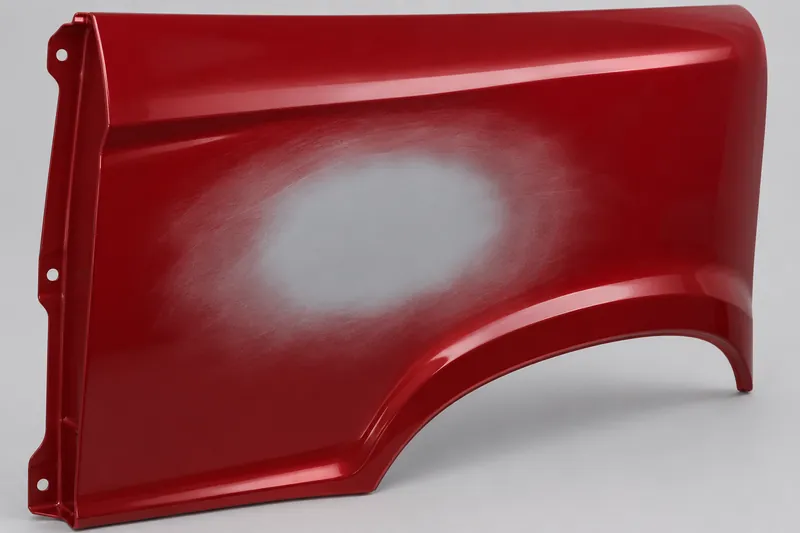
A panel does not have to be dented to require preparation. An undamaged part of the existing finish may become the surface that receives the blend. Axalta’s Commercial Transportation blend-preparation procedure includes cleaning and sanding the blend panel, with attention to hard-to-reach areas. That work extends beyond simply covering the visible scratch.
Access belongs in the same discussion. The Axalta procedure calls for removing moldings, trim, lights or other items contacting the panel before its preparation. Which fittings need removal on your truck depends on the area involved. Masking and reassembly also need to be accounted for in the proposed work.
At our shop, the surface assessment establishes what is sound enough to retain and which damaged coating or underlying bodywork needs attention. If cleaning or preparation exposes additional damage, we discuss that finding before expanding the agreed repair. Paint over an unresolved surface problem would leave that problem beneath the finish.
Space for a color transition
On a basecoat/clearcoat repair, the area receiving color and the area prepared for clearcoat may differ. PPG’s solvent-basecoat blending procedure describes preparing the existing coating beyond the color-blend target according to the selected clearcoat’s product instructions. The preparation outline and the color outline therefore need not stop together.
The color transition needs enough room for the coating system and finish involved. PPG lists an insufficient blend area among causes of poor color match. Restricting every operation to the smallest visible mark can conflict with the work required for a suitable transition.
Bring the paint code if you have it, and tell us about earlier repainting in the affected area. Those details help explain the finish we are assessing. We discuss the proposed color and blending area in relation to the truck as it stands.
Judge a sample against the truck
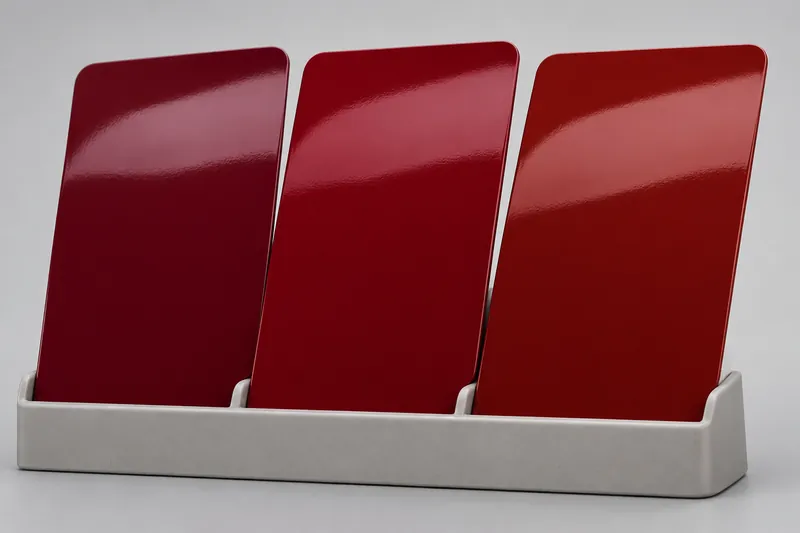
A color code helps identify a formula, while a prepared sample helps assess its appearance. PPG’s sprayout-card procedure describes evaluating a dry, finished sample in both light and shade and from different viewing angles. Its poor-color-match guidance also calls for cleaning adjacent panels when selecting color.
These checks relate the candidate finish to the surrounding paint. A photograph of the truck or a color displayed on a phone cannot provide that same physical comparison. We use the inspection to discuss expectations for the affected area rather than promise a result from a paint-code message alone.
Where clearcoat is taken to an edge
A fading color transition does not mean the protective clearcoat should fade out at the same place. PPG’s blending position statement calls for full-panel clear application to a panel edge or distinct break point for its warranted process. It identifies the thin, tapered edge of a partial clearcoat blend as a potential failure area.
That manufacturer-specific boundary helps explain why the final coating can extend farther than the new color. The instructions for the coating system selected for the repair govern the work. The existing finish also needs identification before applying a basecoat/clearcoat procedure.
Ask which panel edge or break point is included in the proposal. Where a different finish system is present, its own preparation and application requirements need to be considered. A single fixed blend distance or one coating recipe would not suit every truck paint repair.
The estimate should name each area
A useful scope identifies the physical damage to repair, the surfaces to prepare, where color is being applied or blended, and the extent of the final coating. Related trim removal and reassembly should be understandable too. These descriptions let you see why the refinishing area may be larger than the damaged spot.
Truck Repair Shop discusses the agreed panels and refinishing work before proceeding. Product instructions determine application and curing requirements. Timing and any aftercare advice need to follow the materials and work actually involved, so there is no single completion or washing interval for every repair.
Call (347) 656-6273 about damaged truck paint. Describe the location of the mark, any peeling or previous repaint, and whether a panel has already been repaired or replaced. Use our contact and location page to arrange a visit. The assessment will give you a clearer picture of the paintwork proposed for your truck.
Service terms
CLEAR ESTIMATES
Inspection findings, the proposed work and the estimate are discussed before repairs begin.
PARTS OPTIONS
We agree on suitable parts for the engine, the work and your budget.
FREE DIAGNOSTICS WITH REPAIR
Diagnostic work is free when you proceed with the repair.
WARRANTY FOR WORK
Our repairs carry a warranty. We explain the terms that apply to your job.