- Address:
26 Elizabeth St, South River, NJ 08882
- Email:
mail@truck-repair-nj.com
- Phone line:
+1 (347) 656-62-73
A truck can finish a run with usable pulling power and encounter a speed restriction at its next start. In some DEF inducement strategies, that start is the point at which an existing problem advances to a stronger restriction. Elsewhere, power reduction develops while the engine is running because a protection threshold has been reached. The timing of the change is part of the diagnosis.
Truck Repair Shop investigates engine derates and loss of power in South River, New Jersey. Call (347) 656-6273 to discuss the warning sequence and arrange an assessment. Our truck diagnostics service connects electronic findings with the affected mechanical or electrical system.
Truck derate after a stop or restart
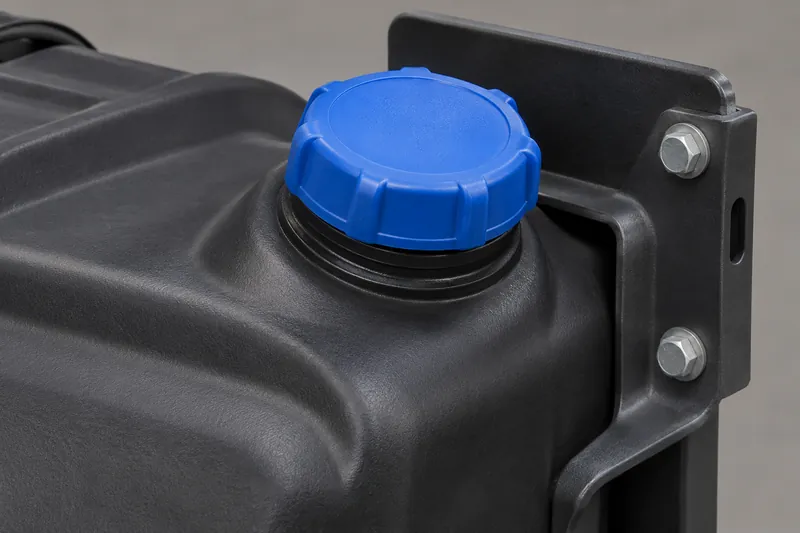
For DEF-related restrictions, fluid level and elapsed operating time can lead to different responses. PACCAR bulletin 43-089 describes this distinction for EPA 2024 engine-model-year 2024–2026 MX-11 and MX-13 engines with the specified update: low or empty DEF triggers a level-based progression, while poor quality and related system faults use a time-based progression.
The bulletin also places the final restriction at the next vehicle start under the stated unresolved conditions. A driver may first feel the stronger limit after parking even though the triggering concern was already present. Record the warning before shutdown as well as the message seen on the next start; reporting only the last message loses that sequence.
In this updated strategy, key-off pauses the DEF counter; cycling the key does not reset it. That behavior belongs to the specified calibration, rather than a universal restart procedure.
A different calibration changes the timetable
A 5 mph limit is a real service concern, but five miles per hour is not the final limit on every equipped truck. In July 2026, Cummins announced revised calibrations for certain truck engines that raise the final limit for specified DEF-related conditions from 5 mph to 25 mph. Eligibility and timing vary by platform and model year; DEF-level inducements remain applicable.
PACCAR has also documented revised limits and additional time for specified MX applications. Engine identity and the software actually installed matter when interpreting a countdown. A revised allowance provides time to address a fault; it does not establish that the DEF or SCR system has been repaired.
Heat-related limits develop during operation
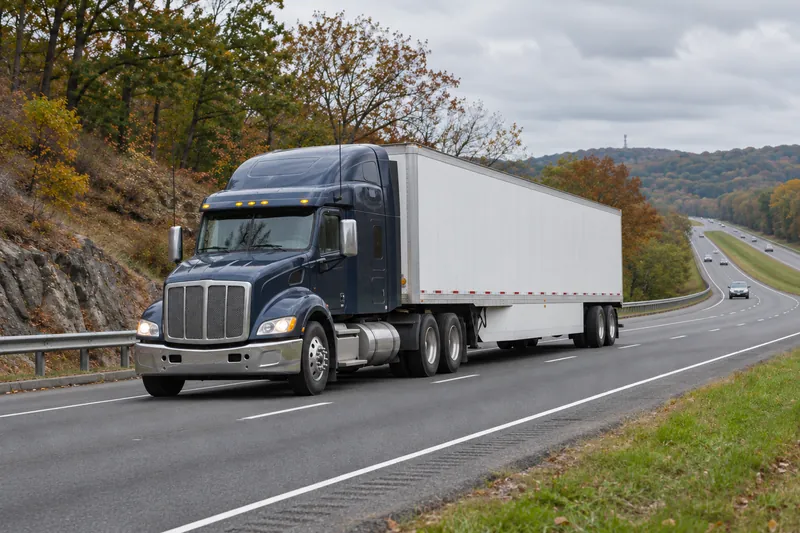
A restriction that develops during a loaded pull needs its temperature and pressure context preserved. Freightliner’s New Cascadia driver guidance describes a Detroit-engine response in which excessive coolant temperature produces warnings and, if the condition continues, derate or shutdown according to the installed protection system. It also describes protection responses to inadequate oil pressure.
This is a different basis for limiting output from a DEF running-time counter. The investigation must establish the monitored condition and examine the relevant cooling, lubrication or reporting circuit. Cooling down before the truck reaches the shop can change what is visible at that moment; it does not explain why the warning occurred.
A red STOP Engine indication calls for a safe stop and the shutdown action in that vehicle’s instructions. A speed limitation is not permission to keep operating through a temperature or pressure emergency.
What prolonged idle changes
Operating history also matters on the DPF side. Peterbilt’s 2024 aftertreatment manual explains that low-speed, stop-and-start work may not support routine automatic regeneration. It also links extended idling, especially in cold weather, with additional soot accumulation and, under the described conditions, hydrocarbon and moisture deposits in the filter.
The same manual explains that leaving an equipped regeneration switch in its inhibit position can increase soot loading and eventually lead to derate. These details make route type, idle history and the switch position useful evidence. They do not prove that the filter itself has failed.
Follow the fitted system’s warning instructions. A drive intended to encourage regeneration is not a substitute for a required service response, and a regeneration request does not resolve a separate DEF-quality or engine-protection concern.
Resolving the operating condition
Our assessment uses the warning history to decide which condition needs investigation. Relevant fault status and operating information are considered with inspection and the applicable tests. Depending on the findings, the repair may concern a cooling problem, a circuit fault or an exhaust-system issue. Our truck exhaust service covers the related exhaust investigation and repair work.
A useful repair decision identifies both the cause and the conditions required for the installed system to recognize that it has been corrected. Any prescribed completion checks or fault-clearing steps belong to that engine’s procedure. An erased message alone does not show that the truck will retain normal operation.
When contacting us, describe the last run and the next start as one sequence: load and temperature behavior, earlier DEF or DPF messages, time spent idling, and anything added or repaired before the restriction. That history helps our South River team agree on a focused investigation and explain the resulting repair scope.
Service terms
CLEAR ESTIMATES
Inspection findings, the proposed work and the estimate are discussed before repairs begin.
PARTS OPTIONS
We agree on suitable parts for the engine, the work and your budget.
FREE DIAGNOSTICS WITH REPAIR
Diagnostic work is free when you proceed with the repair.
WARRANTY FOR WORK
Our repairs carry a warranty. We explain the terms that apply to your job.