- Address:
26 Elizabeth St, South River, NJ 08882
- Email:
mail@truck-repair-nj.com
- Phone line:
+1 (347) 656-62-73
An engine oil leak can involve a gasket between non-rotating parts or a seal working against a moving surface. The two arrangements have different repair requirements. “Reseal the engine” is therefore too broad a description to explain what needs to come apart or which sealing parts belong in the job.
Truck Repair Shop investigates external diesel engine oil leaks at our South River, NJ workshop. We relate the proposed work to the affected joint and its condition. Understanding the distinction below helps you discuss a cover, oil-pan or crankshaft-seal concern with a more clearly defined repair scope.
Engine gasket repair at a fixed joint
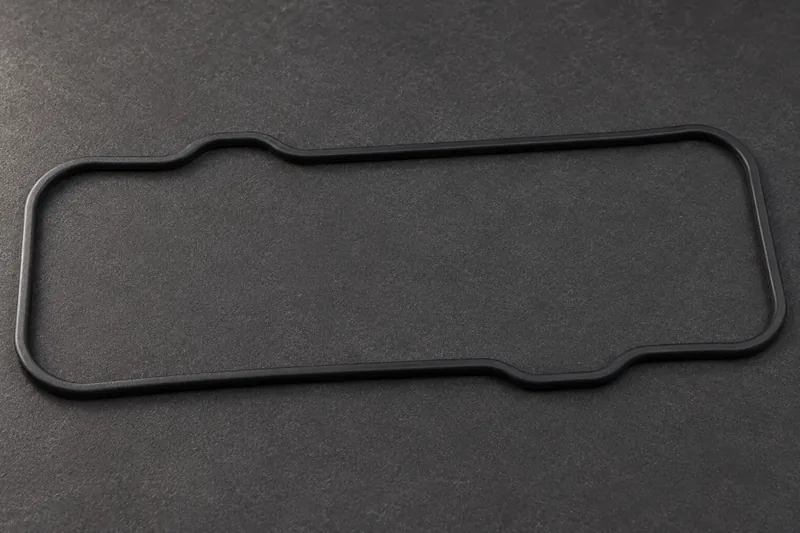
A formed gasket follows the outline of a cover or pan joint. The mating parts remain stationary relative to each other, with the gasket sealing the interface when the assembly is secured. Its profile and location are part of the design; a similar-looking strip of material is not automatically a suitable replacement.
Repair involves accessing that joint and preparing its contact surfaces for the specified gasket arrangement. Residual material, incorrect seating or damage to a mating surface can prevent the new part from doing its job. The assessment therefore includes the cover or pan and its sealing face, rather than treating the gasket as the only relevant component.
Material only where the procedure calls for it
A formed gasket does not always mean an assembly without sealant. Mack’s North American MP8 instructions in campaign S7644, covering specified 2022 trucks, show both: a new rubber oil-pan gasket and approved sealant at defined seams involving the engine block and adjoining housings.
This is an example of a combined arrangement, not instructions for every MP8 or every oil pan. The specified product, application locations and assembly sequence matter. Adding sealant across an entire gasket because one seam requires it changes the intended arrangement.
For an oil-pan reseal, we identify the applicable joint instructions before assembly. The repair needs to restore that interface; coating the outside of a leaking seam does not reproduce the sealing joint between the parts.
Where the lip meets a moving surface
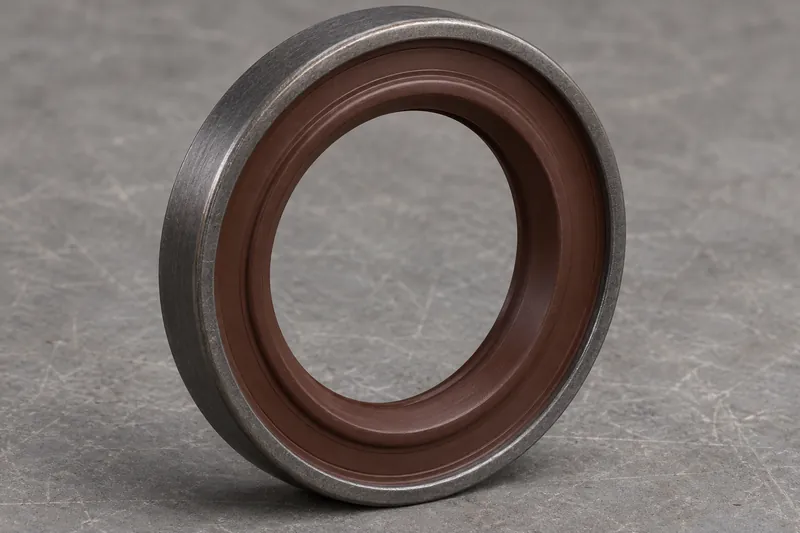
A radial oil seal performs a different task. Its lip works against a running surface while its outer portion is retained in the surrounding housing. Front and rear crankshaft sealing arrangements must therefore be assessed for both the seal and the surface on which it runs.
Elring’s commercial-vehicle seal guidance calls for inspecting that surface for grooves and other damage before installation. A new lip cannot remove an existing wear track. Any permitted surface repair, running-ring replacement or change in fitted position must follow the instructions for the actual assembly.
The installation method also protects the lip as the seal reaches its working position. Suitable guides and fitting tools prevent damage from edges and help seat the seal correctly. This differs from simply placing a perimeter gasket between two mating faces.
The lip material changes preparation
Even within radial seals, the preparation can differ. Elring’s assembly instructions distinguish a conventional lubricated lip and shaft surface from a PTFE seal installed dry. Oil or grease used as an assembly aid on the PTFE designs covered by its guidance is contrary to those instructions.
The installed seal’s specification determines the method. Its appearance alone does not establish the material or the correct preparation. Protective sleeves, handling and any required waiting period before the shaft turns also belong to the supplied part’s instructions. A procedure used successfully on another seal should not be transferred without checking that it applies.
Diesel oil leak diagnosis selects the joint to repair
Both types of joint can leave oil around the same assembly, so the collection point does not select the replacement part. A November 2024 Volvo service article gives a useful example: oil from a rear crankshaft-adaptor O-ring can enter the flywheel and clutch housing and be mistaken for a rear main seal leak.
That example concerns the arrangement covered by the article; it is not a diagnosis for every truck with oil near the transmission. The inspection must establish where fresh oil originates and how it reaches the visible area. The resulting job may concern a gasket, housing joint, O-ring or radial seal.
Oil that has entered a clutch housing may affect the friction assembly as well as create an external leak. Discuss any resulting clutch repair work alongside the sealing job so the repair scope accounts for both concerns.
Call (347) 656-6273 to discuss an oil-leak assessment with Truck Repair Shop. Describe where fresh oil appears and mention recent engine or transmission work. Have the engine details and earlier repair invoices available so the discussion can identify the affected assembly, access requirements and proposed sealing work at our South River shop.
Service terms
CLEAR ESTIMATES
Inspection findings, the proposed work and the estimate are discussed before repairs begin.
PARTS OPTIONS
We agree on suitable parts for the engine, the work and your budget.
FREE DIAGNOSTICS WITH REPAIR
Diagnostic work is free when you proceed with the repair.
WARRANTY FOR WORK
Our repairs carry a warranty. We explain the terms that apply to your job.