- Address:
26 Elizabeth St, South River, NJ 08882
- Email:
mail@truck-repair-nj.com
- Phone line:
+1 (347) 656-62-73
A complete engine-brake repair should restore control of the retarding action. One strong response does not establish that the system works correctly if it ignores a selected level or remains active when it should release. The intended behavior belongs in the repair discussion alongside the original complaint.
Truck Repair Shop assesses engine compression-brake concerns in South River, NJ. We connect control-system findings with the condition of the fitted brake mechanism. Use the requirements below to define the work for your truck’s controls and fitted brake assembly.
Jake Brake repair needs a clear completion standard
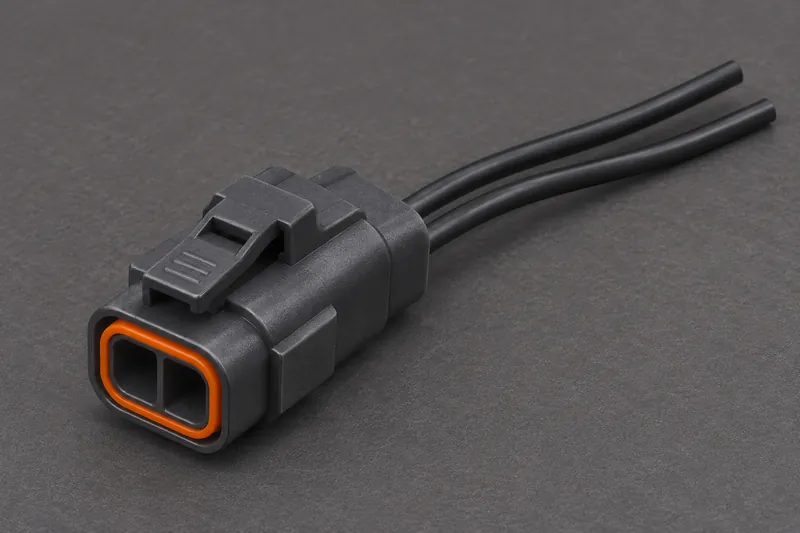
A compression-release brake changes exhaust-valve operation so the engine absorbs power and helps slow the vehicle. The cab control requests that action, but the truck’s control arrangement determines when it is permitted. A switch left on is not a requirement for continuous braking through every driving condition.
The correct reference is the operating description for the installed system. Vehicle manuals describe different control layouts and selected braking levels; those labels should be understood before a change in response is treated as a failed component. Put three functional requirements on the repair order:
- Enable: the brake becomes available and activates under the conditions specified for that truck.
- Select: the response follows the configured retarding level requested by the driver or vehicle controls.
- Release: the braking action cancels through the inputs and OFF control specified by the manufacturer.
Record the command as well as the response
A useful complaint identifies the setting that was selected and what the brake actually did. Mention cruise-control use, whether the problem affects one setting, and any warning recorded at the time. Use observations from the original event; do not repeat a questionable braking maneuver to obtain a better description.
Jacobs’ DDEC II troubleshooting guide illustrates why command information matters. For the systems it covers, its checks include supply voltage, switch operation and connections before assigning a control-module fault. It is a legacy, model-specific guide, not a pinout for every later electronic engine. Our inspection follows the applicable circuit information for the truck presented.
Treat a failure to release as a fault
A brake that remains active when its controls call for release requires attention even if its retarding power seems strong. Freightliner’s Century Class and Coronado instructions address this explicitly: if the brake does not cancel through the specified throttle or clutch input, switch it OFF and leave it unused until repaired.
For the covered arrangement, the manual also requires engine shutdown and repair if the brake will not switch off at the dash. If the system remains active despite its OFF command, stop the truck safely before shutting down and arrange repair, following the vehicle instructions. Do not continue the trip while repeatedly checking whether the fault has disappeared.
Carry that standard into the mechanical work
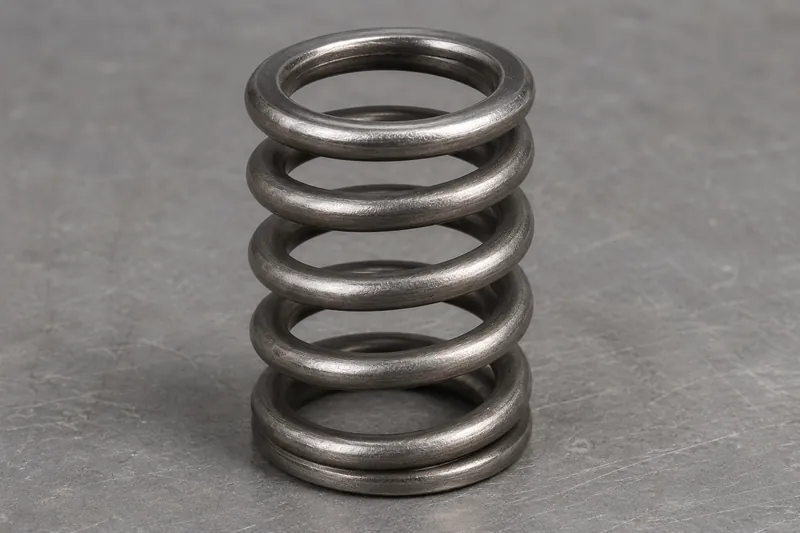
The handback standard also applies when the job reaches the brake mechanism. Jacobs’ operator guidance describes dependence on engine-oil flow and specifies warming the engine before use. The prescribed assessment conditions matter when investigating retarding performance; an unsuitable condition should not become a component diagnosis.
Mechanical service depends on the installed brake design. Jacobs’ maintenance material includes inspection of such items as solenoids, pistons, seals, return springs and adjusting components. That list identifies possible service items, not a requirement to replace them all. Inspection and the relevant engine instructions determine the work.
After the identified defect is addressed, the checks should return to the requested behavior: activation, the applicable selected levels and reliable cancellation. The repair record should connect the corrected defect with those checks.
Arrange engine brake service in South River
Call (347) 656-6273 with the engine details and a description of the control response you want investigated. Mention recent overhead work or electrical repairs, and bring any earlier diagnostic record. Our South River shop can discuss the concern and define the work around the fitted system.
An engine retarder supplements the vehicle’s stopping system. It does not replace the service brakes or establish that they are in good condition. For a separate wheel-brake concern, use our truck brake repair page when arranging the visit.
Service terms
CLEAR ESTIMATES
Inspection findings, the proposed work and the estimate are discussed before repairs begin.
PARTS OPTIONS
We agree on suitable parts for the engine, the work and your budget.
FREE DIAGNOSTICS WITH REPAIR
Diagnostic work is free when you proceed with the repair.
WARRANTY FOR WORK
Our repairs carry a warranty. We explain the terms that apply to your job.