- Address:
26 Elizabeth St, South River, NJ 08882
- Email:
mail@truck-repair-nj.com
- Phone line:
+1 (347) 656-62-73
When reporting an “overheating” concern, identify what actually changed: an exhaust-temperature lamp, the coolant reading, engine speed or pulling power. Those observations can describe different conditions on an early Cascadia, and they lead to different repair work.
Truck Repair Shop investigates engine concerns and performs repairs in South River, NJ through our Freightliner service. For a Cascadia fitted with Detroit Series 60, we connect the reported behavior to the engine and vehicle systems involved before recommending parts. A complete Detroit Series 60 engine overhaul is also available for your Cascadia at Truck Repair Shop.
Freightliner listed Series 60 in its original 2007 Cascadia launch specification. The comparisons below concern EPA07 Series 60 operation; they should not be transferred to every later Cascadia. Engine identification and records of any replacement or modification establish the applicable configuration.
Cascadia Series 60: exhaust heat versus coolant overheating
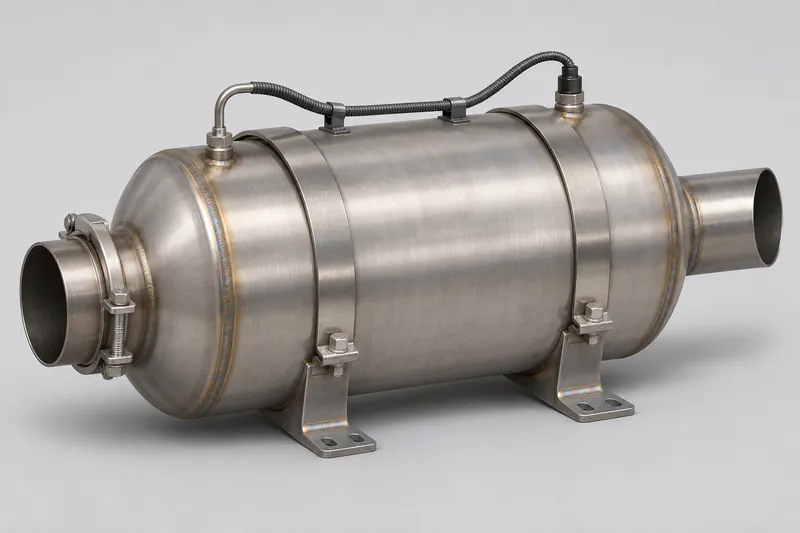
The High Exhaust System Temperature, or HEST, lamp concerns heat at the exhaust outlet. Freightliner’s Cascadia warning-lamp guidance distinguishes it from the high-coolant-temperature warning. A HEST indication alone does not establish that the radiator or engine coolant is overheating.
Exhaust heat still matters to the surroundings. Keep hot exhaust away from combustible material and follow the vehicle’s operating instructions. Read any accompanying DPF, Check Engine or Stop Engine indication as well; several lamps together give a different report from one isolated symbol.
For the service request, give the lamp name and whether it was steady or flashing, plus the coolant reading at that time. A safely parked dashboard photo can preserve that information. This helps us direct the assessment toward the reported exhaust or engine condition rather than treat all heat-related observations as one fault.
A faster idle and an uneven idle tell different stories
Detroit’s EPA07 Series 60 manual describes an increase in engine speed during a properly initiated parked regeneration, followed by a return to low idle when it finishes. That controlled speed change differs from an engine that repeatedly misses, hunts or stalls.
An unstable engine needs investigation of its running condition. The Series 60 troubleshooting material includes fuel-delivery, electrical and cylinder-related causes; it does not turn a rough-running description into an instruction to replace an injector. Equally, calling every increase in rpm a misfire can send the repair in the wrong direction.
Tell us whether the higher speed was held steadily, which lamps were present and whether the roughness continued afterward. Report the sequence already observed; do not initiate a regeneration simply to reproduce a complaint. We use the operating history and relevant fault information to define the investigation.
A steady gauge does not cancel a red warning
Coolant temperature is one of several engine-protection inputs. For EPA07 Series 60, Detroit also identifies low coolant level, low oil pressure and high oil temperature. A normal-looking coolant reading therefore cannot explain away a Stop Engine warning or establish that continued operation is safe.
Bring the exact warning and available codes into the conversation, including any change in oil pressure or power. With a red Stop Engine indication, move to a safe stopping place and shut down according to the vehicle’s instructions. Call (347) 656-6273 to discuss the truck’s condition before arranging its arrival.
Series 60 coolant overheating takes another diagnostic branch
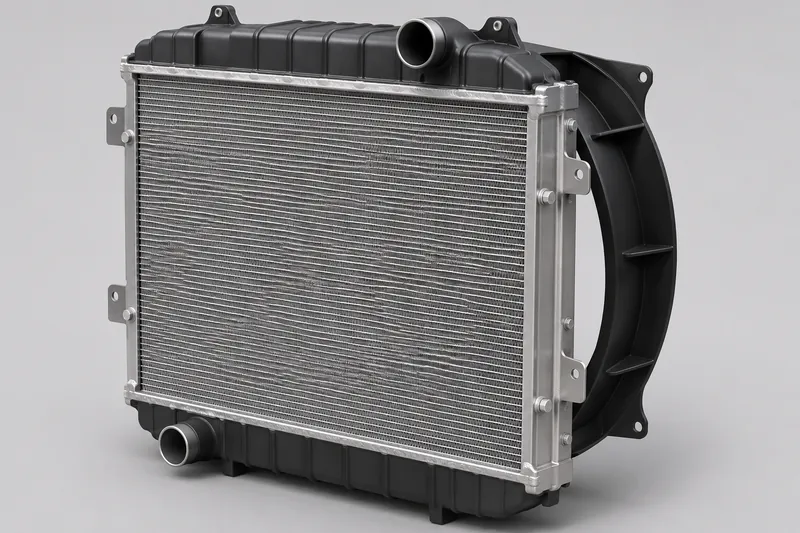
When the coolant is genuinely running too hot, the cooling circuit and its air path need attention. Detroit’s DDEC VI guide separates low coolant, radiator airflow and shrouding, fan operation, thermostats and coolant circulation in its investigation. A complete-looking radiator core does not establish that its surrounding shroud or controlled fan is doing its job.
The guide also follows a low-level finding beyond refilling: the cause of the loss remains to be investigated. Conversely, correct coolant level does not clear the other cooling functions. These distinctions help define whether the proposed repair concerns a leak, an airflow problem, a control or a circulation component.
We discuss the affected assembly and any related damage before extending the work. Checks after repair address the condition brought in: coolant-temperature behavior for an overheating complaint, or the relevant warning and operating fault when that was the concern. No single replacement is a cure for every heat-related report.
Our broader Detroit Series 60 engine service covers other engine concerns. For this Cascadia visit, have the warning sequence and earlier repair notes available when booking with our South River team. Those records give the assessment a specific problem to resolve.
Service terms
CLEAR ESTIMATES
Inspection findings, the proposed work and the estimate are discussed before repairs begin.
PARTS OPTIONS
We agree on suitable parts for the engine, the work and your budget.
FREE DIAGNOSTICS WITH REPAIR
Diagnostic work is free when you proceed with the repair.
WARRANTY FOR WORK
Our repairs carry a warranty. We explain the terms that apply to your job.