- Address:
26 Elizabeth St, South River, NJ 08882
- Email:
mail@truck-repair-nj.com
- Phone line:
+1 (347) 656-62-73
A cooling-system check is most useful when its limits are clear: which parts were connected, whether the cap was assessed and what conditions were present. A test result without that context can leave repeated coolant additions unexplained.
Bring a recurring coolant-loss concern to our South River workshop. Truck Repair Shop provides truck coolant leak diagnosis and repair, relating the proposed hose, connection or component work to the source found. These questions explain why one apparently reassuring check may leave more to investigate.
Where can a truck lose coolant without leaving a puddle?
The circuit extends beyond the radiator and its main hoses. Heater plumbing and other connected equipment can add joints and components in less obvious locations. The installed layout determines what must be included in the inspection.
Detroit’s GHG17 coolant-loss guidance starts by considering vehicle components and equipment added to the cooling circuit. That distinction matters when an inspection has covered the engine but not a connected branch. Tell us about any coolant-fed equipment added to the truck; its presence is relevant even if the suspected leak appears elsewhere.
If external checks leave the loss unexplained, the investigation may reach a coolant-fed heat exchanger or internal engine passage. No puddle does not identify a head gasket as the failed part. When findings do involve that sealing joint, our head gasket diagnosis and repair page explains the related work.
What does a truck coolant pressure test establish?
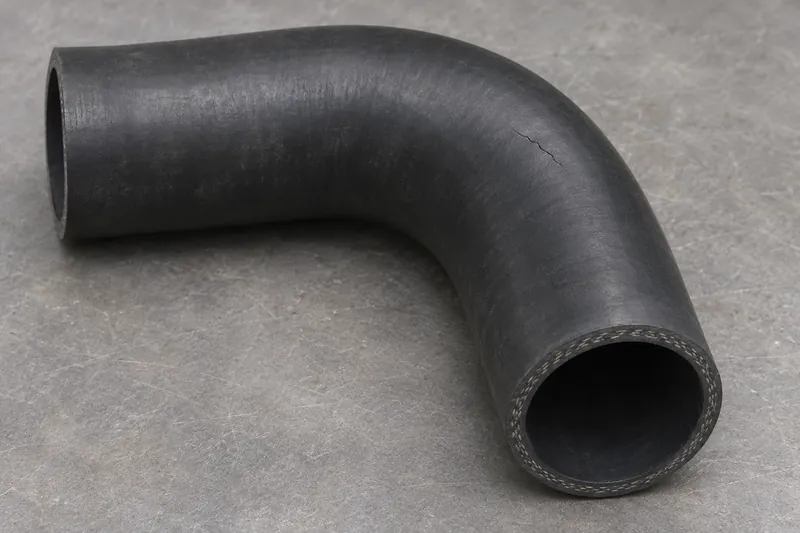
A controlled pressure check helps expose leakage in the connected system. The test uses the appropriate connection and the specified pressure limits, with the system prepared as the applicable instructions require. Hoses, housings and joints can then be examined for escaping coolant.
The result should identify both the area checked and the finding. A pressure change calls for locating its cause; it does not select a replacement radiator. Conversely, a stable reading under the test conditions is not a record of every condition the truck encounters in operation.
An identified connection leak may justify work on its hose, seal or fitting. A defect in a radiator tank or core leads to a different decision, covered on our radiator service and replacement page. We explain the affected location before proposing that component work.
Could a cold inspection miss the leak?
Yes. Peterbilt’s 2024 Model 589 manual specifically calls for checking at normal operating temperature when frequent top-offs are needed but no leak is visible cold. That instruction is a useful reminder to relate the inspection conditions to the complaint.
A temperature-dependent concern needs controlled workshop assessment. Do not loosen a hot cap or reach around a running engine to find it yourself. Record whether the loss was noticed after a trip or during parking, using observations already available. Rapid fluid loss or an overheating warning calls for a safe stop and the vehicle’s prescribed response.
Why test the cap separately?
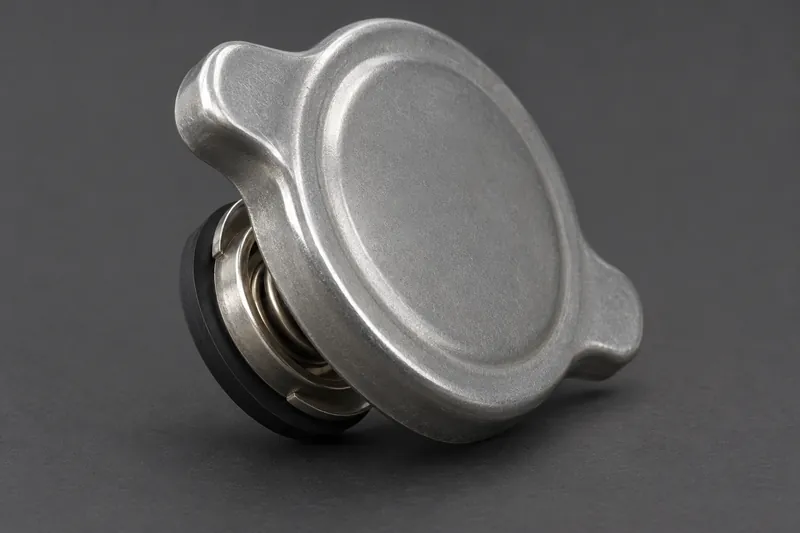
Where a tester takes the cap’s place, that system check does not test the removed cap. Its sealing and pressure-control functions need their own assessment. A correctly sealed test connection cannot establish that the original cap will perform properly when refitted.
The cap arrangement also varies. DTNA’s maintenance guidance for Western Star 47X and 49X trucks describes a separate filler cap and pressure-relief cap. It checks the filler seal and O-ring, the relief cap’s pressure performance and its vacuum-relief valve. Those are distinct items, not one interchangeable lid.
For the truck presented, we consider the fitted cap arrangement and sealing surfaces. A replacement needs the correct specification. Installing a higher-rated cap to suppress a symptom is not a substitute for finding why coolant is being lost.
Should the reservoir be filled to the brim?
No. Use the fill reference and conditions prescribed for the vehicle. The Model 589 guide warns that overfilling can cause overflow. Filling above the intended level can therefore create another loss instead of establishing that the system has been repaired.
The same guide also explains that trapped air after service can affect the level until it is purged. Filling and air removal must follow the installed system’s procedure. An initial level change after opening the circuit and an ongoing need for additions are different observations; repeated loss still needs an explanation.
Call (347) 656-6273 to arrange a coolant-leak assessment with our South River team. Share the amount and frequency of additions, earlier test results and any recent work that opened the circuit. We will discuss the checks needed and the repair supported by the findings.
Service terms
CLEAR ESTIMATES
Inspection findings, the proposed work and the estimate are discussed before repairs begin.
PARTS OPTIONS
We agree on suitable parts for the engine, the work and your budget.
FREE DIAGNOSTICS WITH REPAIR
Diagnostic work is free when you proceed with the repair.
WARRANTY FOR WORK
Our repairs carry a warranty. We explain the terms that apply to your job.