- Address:
26 Elizabeth St, South River, NJ 08882
- Email:
mail@truck-repair-nj.com
- Phone line:
+1 (347) 656-62-73
A range lever that will not move and a differential lock that will not release can be connected complaints. On an equipped two-speed tandem axle, an interlock can deliberately prevent a range change while the interaxle lock is engaged. A repair enquiry needs to identify which control stopped responding.
Truck Repair Shop assesses powertrain and chassis concerns through its Freightliner repair service in South River, NJ. For a Century Class with an axle-control complaint, the following questions explain why the selected function matters before a component is chosen.
Century Class axle-lock repair: which control is involved?
Freightliner’s Century Class S/T manual distinguishes the interaxle lock from a main differential lock. The first controls the connection between the forward and rear drive axles. The second, where fitted, locks the differential within an axle so its left and right wheels turn together. Reporting an interaxle-lock complaint as a failure to lock every driven wheel can describe the wrong expected behavior.
Read the switch wording when arranging service. Tell us whether the concern is no engagement, failure to release, an indicator that stays on or a noise when the setting changes. Existing observations are sufficient; do not deliberately spin the wheels or force engagement to demonstrate the fault.
Include the full designation in the vehicle records, such as Century Class C112, C120 or S/T, and any available axle identification. The cab designation does not specify every fitted carrier or lockout mechanism. The operator-manual example here concerns the documented S/T arrangements; component checks must suit the hardware on your truck.
Why can the range lever be intentionally blocked?
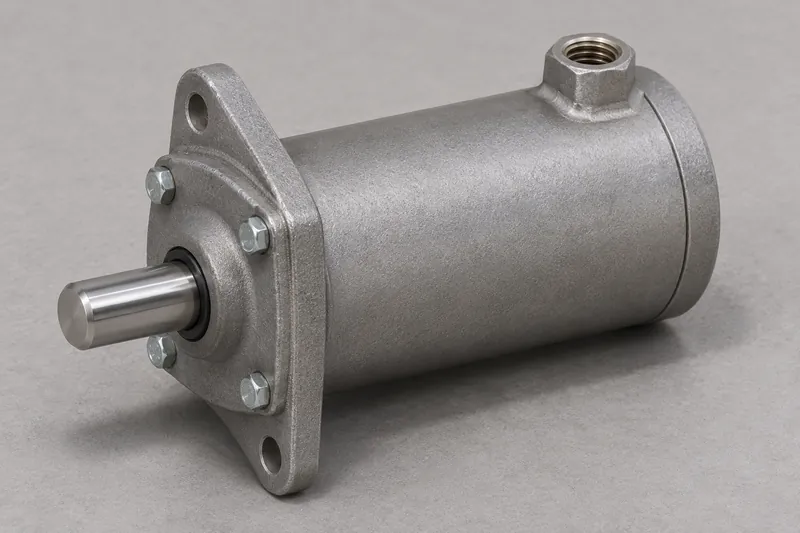
Dana’s AXSM-0042 manual describes an axle-range interlock that uses air to operate a locking pin. With the interaxle lock engaged, the pin prevents movement of the axle-range shifter lever. In that arrangement, a blocked lever can be the intended protective action rather than a seized range mechanism.
The control check has to establish whether the pin follows the lockout state. Dana separates the interlock control valve from the pin assembly: pressure delivery through the valve and operation of the pin are different checks. If the pin receives air but does not block the lever as intended, the pin assembly needs attention.
This example applies to the documented interlocked arrangement, not every tandem axle. We investigate the reported control behavior and explain which part is implicated. Forcing a lever or bypassing the interlock would defeat the protection instead of establishing why the request is being refused.
Does HIGH refer to the gearbox or the rear axle?
The Century Class S/T operator manual describes an Eaton two-speed tandem axle with two reductions: high range uses single reduction and low range uses double reduction. That axle-range choice differs from the transmission selecting a driving gear. A report that the truck “will not go into high” should say which control was operated.
For that two-speed arrangement, Freightliner requires the interaxle differential to be unlocked before an axle range change. The relationship between the two controls therefore belongs in the assessment. A lockout that has not released and a failed range shift are not automatically two unrelated faults.
Tell us whether the lever itself cannot move, the indicated range does not change, or the truck has lost drive. Those observations describe different stages of the selection. Use the history of the event; do not operate the truck through repeated trial shifts to make the fault easier to describe.
Does a blocked control justify opening the carrier?
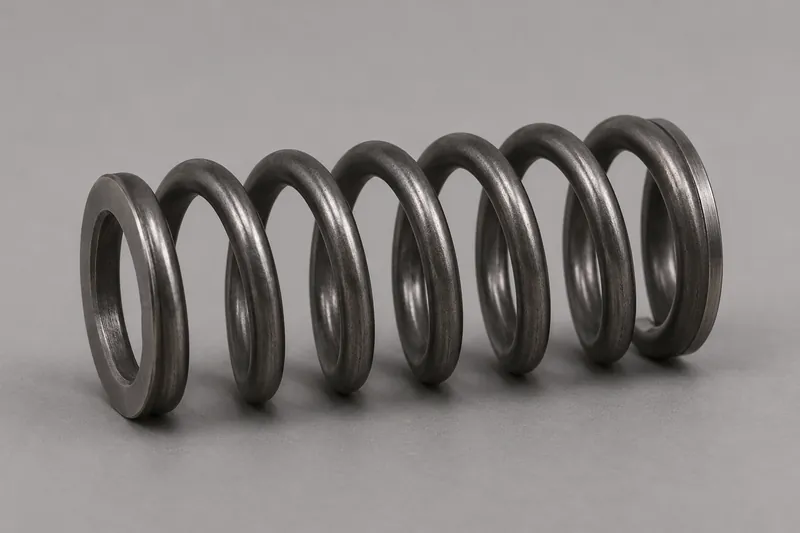
Work on an interlock valve or pin assembly is a different proposal from an internal carrier repair. Our truck differential repair service assesses the affected axle assembly and discusses whether the findings concern its controls or its internal components. A blocked lever alone does not show that the gears are damaged.
Before approving disassembly, ask which unanswered question requires that access. The repair description should distinguish a control that is intentionally inhibited, an interlock that fails to follow its command, and a separate mechanical defect established by inspection. Each leads to a different job; a generic “rear-end rebuild” does not explain the choice.
For a Century Class service appointment, reach our workshop on (347) 656-6273. Give the switch wording, the selected axle range and whether the interaxle lock appeared engaged at the time. The workshop address is 26 Elizabeth Street, South River, NJ. If drive is unreliable, stop safely and discuss transport before attempting the visit.
Service terms
CLEAR ESTIMATES
Inspection findings, the proposed work and the estimate are discussed before repairs begin.
PARTS OPTIONS
We agree on suitable parts for the engine, the work and your budget.
FREE DIAGNOSTICS WITH REPAIR
Diagnostic work is free when you proceed with the repair.
WARRANTY FOR WORK
Our repairs carry a warranty. We explain the terms that apply to your job.