- Address:
26 Elizabeth St, South River, NJ 08882
- Email:
mail@truck-repair-nj.com
- Phone line:
+1 (347) 656-62-73
After a hood strike, tell us where the impact landed and whether opening, closing or panel clearance changed. Those observations connect the visible crack with the part’s function. The repair has to account for the damaged shell and the fittings around it.
At Truck Repair Shop, hood and cab-panel damage is assessed within our truck body repair work in South River, NJ. We consider the panel material, affected edges, attachments and access, then discuss repair or replacement of the damaged part. The explanation should make clear what must be restored beneath the finish.
Truck hood repair beneath the outer finish
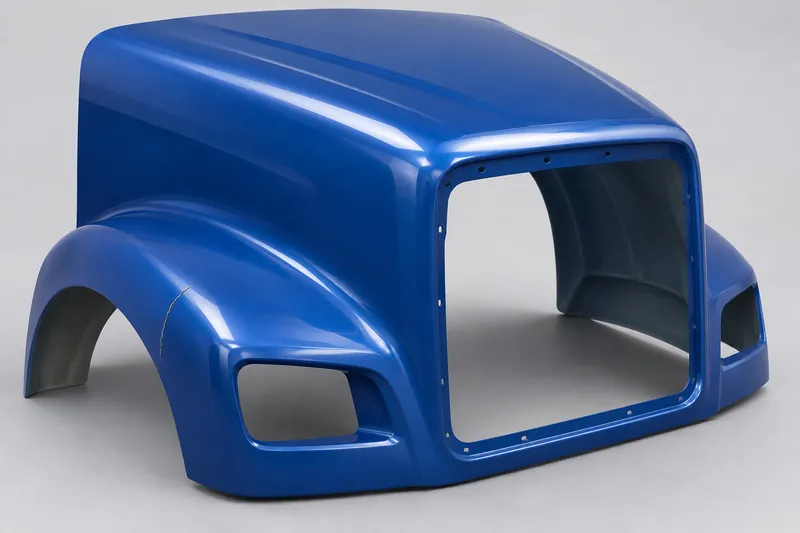
A smooth outer surface and a repaired composite panel are different findings. 3M’s heavy-truck resources separate front-side cosmetic repair from back-side reinforcement. The latter uses reinforcement material and a compatible adhesive on the reverse face of an applicable damaged panel.
That distinction gives the inspection a specific purpose: establish what the damage involves and what access the applicable repair needs. The visible line alone does not show whether the proposal concerns surface restoration, reinforcement or replacement of an affected section.
We examine the damaged area in relation to its edge, supports and adjacent fittings. Previous patchwork and access behind the panel also belong in that assessment. If removal or further inspection is needed to establish the repair scope, we explain that work before proceeding.
Limited rear access changes the question
Access must be considered together with the material and the method specified for the repair. Polyvance publishes a one-sided adhesive repair demonstration for a cracked heavy-truck hood made from Metton. In that example, the inaccessible inner face is the reason for performing the repair from the exterior with the specified adhesive and layered reinforcement.
The example shows why an inaccessible rear surface needs a method-specific decision. It does not establish that the same repair suits every hood or every attachment area. Our recommendation follows the actual panel and the relevant vehicle, part and repair-material guidance.
Truck cab panel repair starts with the substrate
The word “fiberglass” in a repair request is a useful starting description. Material identification still matters before the preparation and bonding products are selected. SMC, FRP and other molded materials appear in heavy-truck repair guidance, and their preparation requirements can differ.
For example, 3M’s cosmetic-repair SOP gives different adhesion-promoter instructions for Metton and for SMC or fiberglass when using its specified repair system. That is a concrete reason to identify the substrate rather than choose a product only because the panels look alike.
Metal cab panels need the repair approach appropriate to their own construction. During the assessment, we explain which material and damaged components the proposed work addresses. A general hood or cab-panel title should not be treated as a single repair recipe for the entire truck.
Hold the shape through the bond
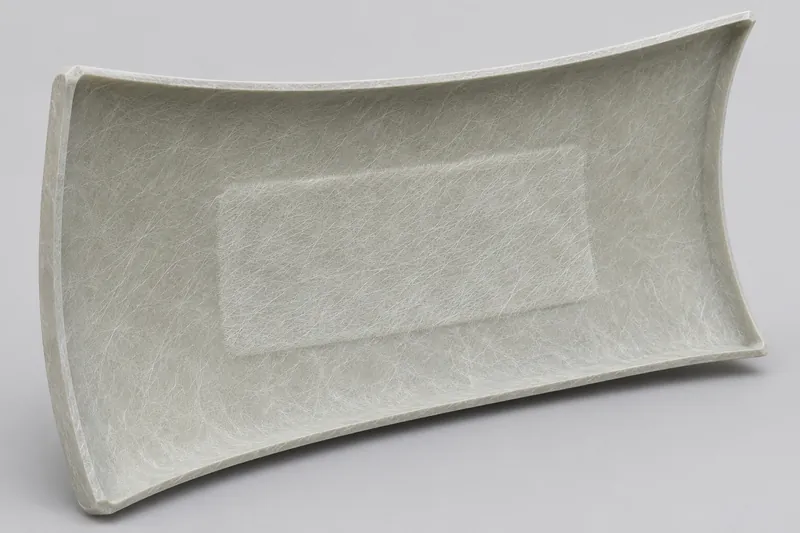
The panel’s position matters while the repair is being formed. In 3M’s back-side reinforcement procedure, the front face is aligned before the reinforcement is applied. The shape being held during the work is therefore part of the process, alongside preparation and the repair material.
Where the job involves bonding a replacement composite panel, 3M’s removal-and-installation SOP calls for a dry fit before adhesive application. It also warns that over-clamping can squeeze adhesive from the joint. Fit and support need to preserve the intended bond, with the application instructions governing the details.
These examples explain why shaping the outer finish is only one part of a suitable repair. The agreed work needs to account for alignment, the accessible bonding area and any parts disturbed to reach it. We discuss the findings that make a local repair appropriate or change the recommendation to replacement.
Include the surrounding fittings
A crack near an attachment needs assessment of that area as well as the panel surface. Tell us if a hinge, latch, lamp or neighboring panel was struck, or if the hood has started rubbing or sitting differently. Those concerns help define the component and attachment work included in the proposal.
For a hood-related job, the relevant opening, closing and clearance checks are tied to the affected fittings. Any refinishing follows the panel work and the area agreed for the finish.
Call (347) 656-6273 to discuss a cracked hood or damaged cab panel. Mention any earlier repair at the same location and changes in how the part opens or closes. Our South River shop details will help you arrange the inspection and a repair recommendation for the part on your truck.
Service terms
CLEAR ESTIMATES
Inspection findings, the proposed work and the estimate are discussed before repairs begin.
PARTS OPTIONS
We agree on suitable parts for the engine, the work and your budget.
FREE DIAGNOSTICS WITH REPAIR
Diagnostic work is free when you proceed with the repair.
WARRANTY FOR WORK
Our repairs carry a warranty. We explain the terms that apply to your job.