- Address:
26 Elizabeth St, South River, NJ 08882
- Email:
mail@truck-repair-nj.com
- Phone line:
+1 (347) 656-62-73
The turbo-compound DD15 sends recovered exhaust energy back to the engine through a separate drive. That connection gives a Century Class engine-repair discussion more to account for than the main turbocharger. Following the energy path helps explain the components named in a diagnosis or estimate.
The explanation below concerns the early EPA07/EPA10 turbo-compound arrangement. Detroit also documents an asymmetrical-turbo DD15 configuration. The engine fitted to the truck determines which parts and instructions apply; the DD15 name by itself does not select the arrangement.
DD15 turbo-compound repair follows two outputs
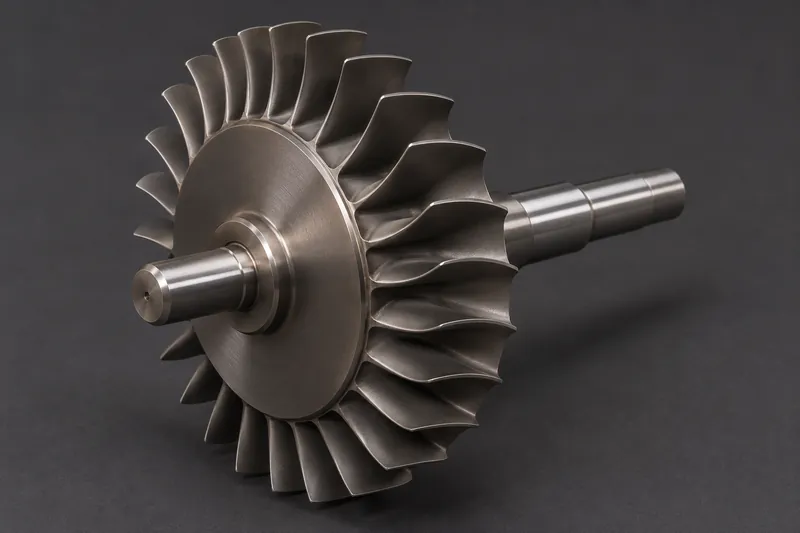
On the turbo-compound design, exhaust leaving the main turbocharger passes through an axial power turbine, or APT. The main turbocharger serves the intake-air system. The additional turbine recovers energy as shaft work that reaches the engine crankshaft. It is not another compressor stage feeding the intake.
Detroit’s component illustrations identify the turbocharger and APT separately. A recommendation described only as “the turbo” can therefore leave two people discussing different assemblies. Ask which unit the inspection identifies and where the reported noise, leakage or damage was found.
Our diesel turbo repair service addresses the wider turbocharger concern. For this installation, keeping the APT distinct from the main turbo is part of defining the job. A low-power complaint alone does not establish that either assembly needs replacement.
From a fast turbine to the engine gear train
Reduction gearing lowers turbine speed and increases torque. The drive includes a fluid coupling and connects to the crankshaft. Exhaust continues through its gas path; the recovered power travels through the shaft-and-gear connection.
Detroit’s gear-train description lists an APT gear in the rear engine gear train for the covered turbo-compound DD15. The gearbox associated with this turbine belongs to that engine system. It is separate from the truck’s road transmission, even though both assemblies may be called a gearbox in conversation.
The coupling allows a speed difference
The coupling transfers rotational power through moving oil rather than locking its two sides rigidly together. Slip is part of the documented arrangement. Turbine speed, engine speed and the gearing must be considered together; a difference between the two shaft speeds is not, by itself, evidence that the drive has failed.
Research on the early DD15 also shows that recovered output varies across the operating range. A repair explanation should relate performance evidence to the operating condition being investigated. The presence of the extra turbine does not imply a constant power contribution whenever the engine is running.
Compressed air also works at the shaft seal
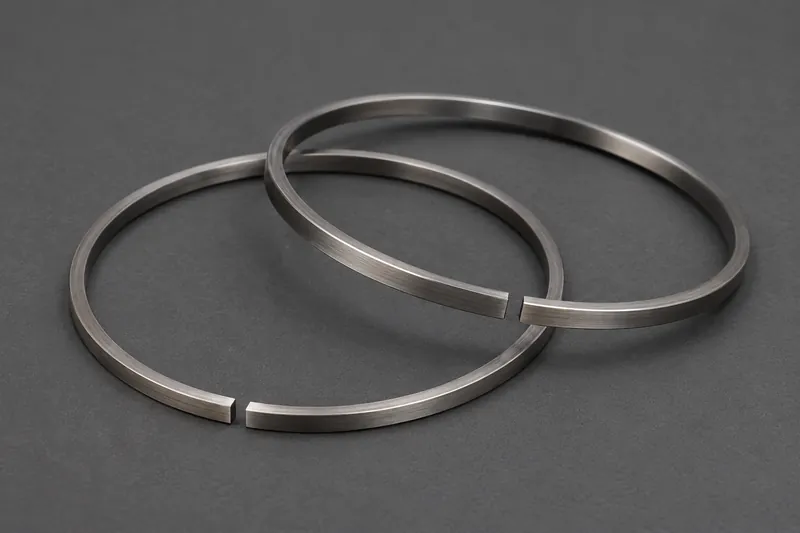
Engine oil lubricates and cools the APT gears and bearing and supplies its fluid coupling. At the boundary between the shaft and exhaust-turbine housing, the documented design uses two metal sealing rings loaded against their seats by compressed air. Oil supply and sealing air perform different jobs.
Detroit’s instructions show alternative air-supply arrangements: a seal-pressure regulator or a connection from the turbocharger compressor. The installed arrangement must guide the check. A familiar-looking small line should not be reconnected or substituted on the assumption that every version uses the same source.
For an oil-leak enquiry, identify the location already observed and mention any previous work on these lines or assemblies. The assessment needs to distinguish the leaking interface from nearby wet surfaces and consider the relevant sealing supply. Simply calling the area “around the turbo” leaves the source unresolved. Do not loosen hot pipework or air connections to investigate it yourself.
Make each item on the estimate identifiable
Access can involve more than the failed part. In Detroit’s early DD15 procedure, reaching the APT gearbox requires removal of the main turbocharger and the power turbine. The proposal should distinguish that access labor from replacement of an assembly. A component can appear on the removal list without appearing on the replacement list.
When reviewing the work, keep three descriptions separate: the assembly being repaired, the surrounding components removed for access, and the pipes, seals or mounting items required for reassembly. That makes it easier to compare the proposed job with an earlier invoice and see which work is actually new.
Bring the wording of an APT or turbine-gearbox quotation to Truck Repair Shop when discussing your Century Class DD15. Our Freightliner repair team can review the concern with you on (347) 656-6273. Workshop: 26 Elizabeth Street, South River, NJ. We will relate the findings to the proposed work and discuss the access it requires. Complete Detroit DD15 engine rebuilding is available for Century Class trucks at Truck Repair Shop.
Service terms
CLEAR ESTIMATES
Inspection findings, the proposed work and the estimate are discussed before repairs begin.
PARTS OPTIONS
We agree on suitable parts for the engine, the work and your budget.
FREE DIAGNOSTICS WITH REPAIR
Diagnostic work is free when you proceed with the repair.
WARRANTY FOR WORK
Our repairs carry a warranty. We explain the terms that apply to your job.