- Address:
26 Elizabeth St, South River, NJ 08882
- Email:
mail@truck-repair-nj.com
- Phone line:
+1 (347) 656-62-73
On a Freightliner Century Class powered by Detroit Series 60, lost pulling power and exhaust appearance need to be considered together. A black plume is a useful observation. A clear tailpipe needs a different interpretation when a particulate filter sits between the engine and the outlet.
Black smoke with lost pulling power
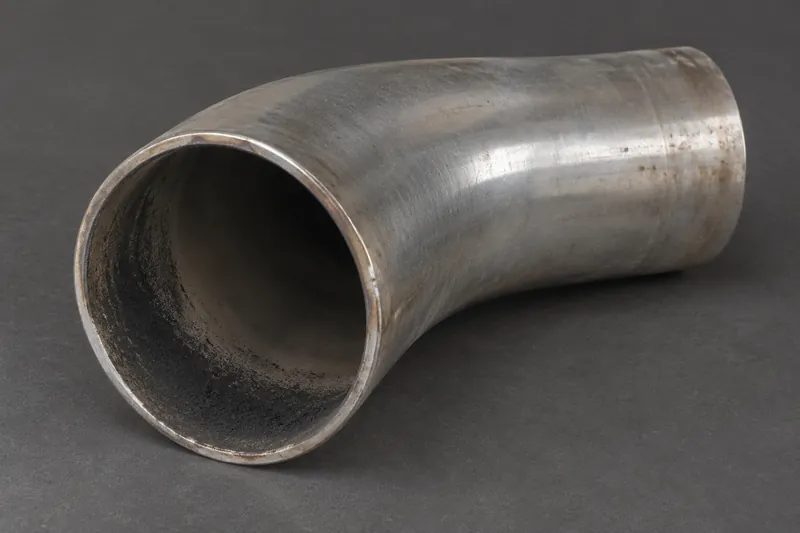
Detroit’s earlier Series 60 on-highway guide lists a damaged or dirty air cleaner, excessive exhaust back pressure and faulty injector timing among possible black-or-gray-smoke causes. Those possibilities involve different parts of the engine system. Color alone cannot distinguish them.
For an assessment, the intake path and exhaust restriction must be considered alongside the relevant injection checks. A restriction finding needs a location; an injection-related recommendation needs evidence about the affected function. Neither an injector set nor a turbocharger follows automatically from the sight of black exhaust.
Keep the observation attached to the event: did the smoke begin with the loss of pulling power, appear only during acceleration, or continue while the truck ran evenly? The sequence helps distinguish a newly changed condition from an exhaust appearance the owner has seen before. Describe what already happened rather than repeat a hard pull for demonstration.
The same complaint with no visible plume
A Century Class that feels weak without producing black smoke still has a performance complaint. Detroit’s low-power chart includes insufficient fuel, a misfiring cylinder and low compression, as well as restrictions and control-related causes. That chart does not require a visible plume before the running problem deserves attention.
An owner’s observation and a test result have different roles here. “There was no smoke” records what could be seen from a particular place and moment. It does not measure fuel delivery or establish that all cylinders contribute normally. The next check should answer the unresolved performance question.
Through our truck repair diagnostics service, we examine the reported loss of output using the relevant fault record, system checks and operating information. Describe the change in performance on the route, including whether the engine remained smooth or developed an uneven beat. Those details remain useful even when exhaust color adds little.
Why the outlet no longer tells the whole story
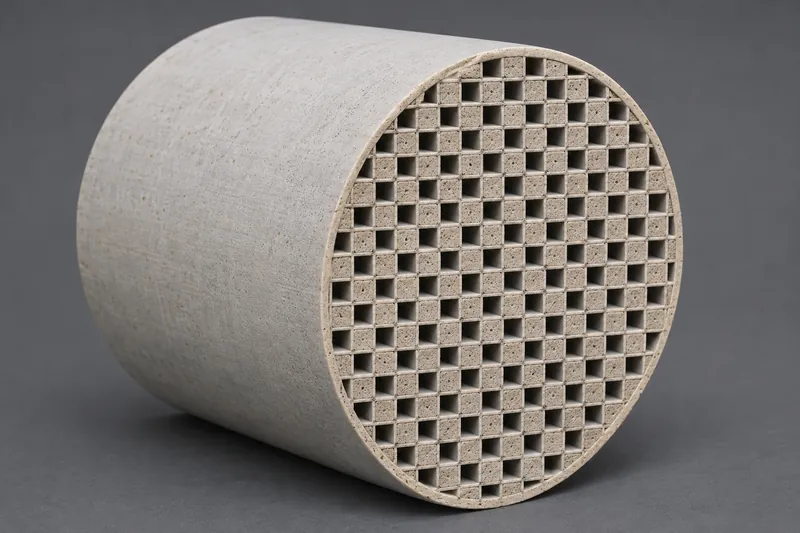
For EPA07 Series 60 engines, Detroit explains that aftertreatment traps most soot before it leaves the exhaust. The operator manual specifically limits the usefulness of visible-smoke diagnosis on that equipment. A clear outlet can therefore reflect filtration rather than establish normal combustion.
The reverse observation matters too. Abnormal black or blue smoke from that equipped system calls for investigation; it should not simply be accepted because an older truck smoked under load. Engine behavior and the exhaust system’s condition both need consideration. The smoke alone does not identify a failed filter or prescribe a regeneration.
This distinction is tied to equipment. The Century Class name does not make every Series 60 installation an EPA07 engine, and the comparison should not be applied by cab appearance alone. Existing engine identification and records of exhaust or engine replacement help establish which guidance fits. A smoke chart intended for another arrangement can send the assessment in the wrong direction.
Century Class Series 60 engine repair in South River
A useful repair proposal should identify what accounts for the lost output and what work addresses that finding. If testing identifies an obstructed path, the proposal should name it. If the findings lead to injection or internal engine work, the explanation should make that connection. Clearing the visible smoke is not an adequate completion standard when the original complaint was lost pulling power.
Truck Repair Shop handles Series 60 diagnosis and mechanical repair from our 26 Elizabeth Street workshop in South River, NJ. Book the Century Class assessment on (347) 656-6273 and explain how its pulling power and exhaust appearance changed together. Include any earlier recommendation so we can discuss what remains unresolved. A red Stop Engine warning or an abrupt, severe change in operation calls for a safe stop and a transport discussion before the visit. Our Century Class engine services also include complete Detroit Series 60 overhaul.
Service terms
CLEAR ESTIMATES
Inspection findings, the proposed work and the estimate are discussed before repairs begin.
PARTS OPTIONS
We agree on suitable parts for the engine, the work and your budget.
FREE DIAGNOSTICS WITH REPAIR
Diagnostic work is free when you proceed with the repair.
WARRANTY FOR WORK
Our repairs carry a warranty. We explain the terms that apply to your job.