- Address:
26 Elizabeth St, South River, NJ 08882
- Email:
mail@truck-repair-nj.com
- Phone line:
+1 (347) 656-62-73
Consider a hypothetical early EPA10 Cascadia with a 15-liter Cummins ISX diesel. Its radiator has already been replaced, yet another coolant leak appears. The owner wants to know whether buying the same assembly again will solve the problem. The example concerns a documented chassis-and-engine application.
Truck Repair Shop assesses engine and cooling-system concerns in South River, New Jersey. A repeat repair deserves a clear explanation of what failed this time and what the proposed work changes. This example shows how the installed radiator arrangement can affect that discussion on an older Cascadia. Our work on Cascadia Cummins ISX engines includes engine overhaul, as well as repairs to the fault being assessed.
A second leak needs its own location
For the truck in this example, start with the new leak finding rather than the previous invoice. Suppose inspection establishes a cracked coolant tube in the core. That finding differs from a loose hose connection or leakage at a tank seam, even though all three can leave coolant below the radiator.
Our truck radiator service covers that wider assessment. The question now is why a core tube failed again. Replacing a leaking part can stop its immediate loss while leaving a separate influence on the assembly unaddressed.
Cascadia Cummins ISX: where resonance enters the picture
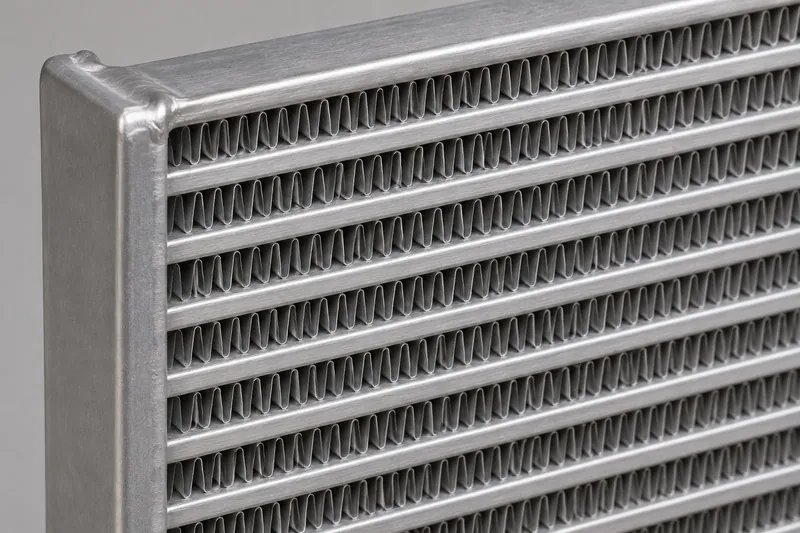
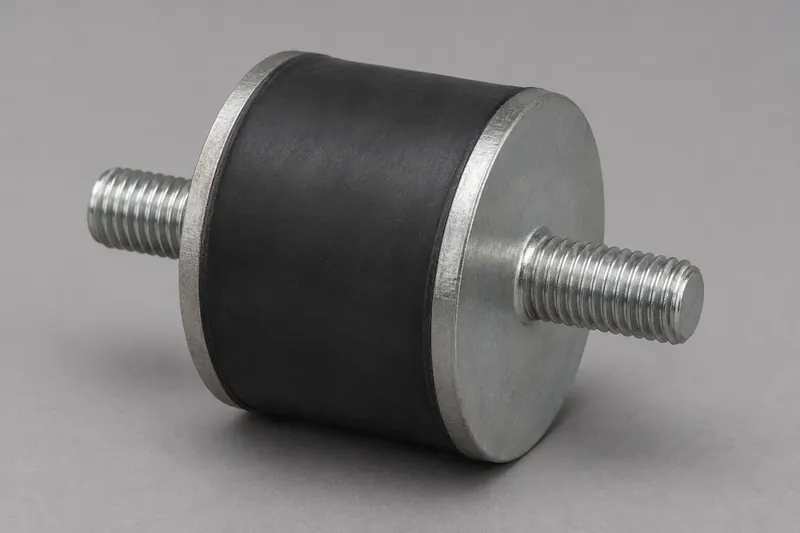
Freightliner documented cooling-tube fractures associated with radiator resonance on certain early EPA10 Cascadia configurations, including Cummins ISX trucks. Its bulletin describes a tuned mass absorber: a particular steel mass combined with molded rubber, intended to control that vibration.
In our example, the repeat tube failure makes the fitted support arrangement relevant to investigate. It does not prove resonance caused the new leak. Damage location, assembly identification and repair history still have to support the explanation.
Keep the application limits with the explanation
The documented absorber procedure is limited to the 1625-square-inch radiator with the specified “bow-tie” mounting. It excludes leaks at tanks, headers and fittings. Those limits prevent a plausible explanation from becoming a diagnosis for every Cascadia coolant complaint.
Why an old radiator-conversion quote needs review
Now add an older conversion proposal to the hypothetical truck’s paperwork. Freightliner once published an ISX-specific instruction for changing to an isolated radiator arrangement. Its July 2014 cancellation notice directs readers to the tuned-mass-absorber bulletin instead. The old conversion document should therefore not be treated as a current repair order.
That notice also distinguishes trucks already built with isolated engine-mounted radiators, including the ISX15 production change beginning in October 2012. A similar-looking Cascadia may already have a different arrangement. Its present hardware and any earlier modifications matter more than an assumption based on the engine badge.
Two possible directions from here
If the hypothetical truck retains the covered mounting and has the specified tube-failure finding, the assessment can consider the manufacturer’s vibration-control approach using applicable service information. If it has an isolated installation or a different leak location, that bulletin does not establish the repair.
Either way, the proposal needs to explain the connection between the finding and the work. Our Freightliner repair team discusses engine-related and cooling concerns around the assembly actually installed. An old parts list alone cannot settle the scope.
A useful record for the next visit
For a real repeat-leak inquiry, bring the previous radiator invoice, any recorded assembly number and photos from earlier repairs. Describe where coolant was found and whether temperature warnings accompanied the loss. Existing records can show whether the earlier job changed only the radiator or also its supports and related components.
Ask what the current inspection establishes, which earlier assumptions have been checked and what the proposed repair is intended to prevent recurring. Completion checks should address the repaired leak and the installation involved; a new part number is not a complete explanation of the result.
Reach Truck Repair Shop on (347) 656-6273 to arrange an assessment. Mention that this is a repeat concern when booking, so the earlier work can be included in the discussion. We will explain the findings and proposed repairs before the work is authorized.
Service terms
CLEAR ESTIMATES
Inspection findings, the proposed work and the estimate are discussed before repairs begin.
PARTS OPTIONS
We agree on suitable parts for the engine, the work and your budget.
FREE DIAGNOSTICS WITH REPAIR
Diagnostic work is free when you proceed with the repair.
WARRANTY FOR WORK
Our repairs carry a warranty. We explain the terms that apply to your job.