- Address:
26 Elizabeth St, South River, NJ 08882
- Email:
mail@truck-repair-nj.com
- Phone line:
+1 (347) 656-62-73
An overnight battery complaint needs a test that reflects the truck’s parked condition. Door activity, power interruptions and the cable selected for measurement can change what the result means. A quick reading taken under the wrong conditions may send the repair toward the wrong circuit.
Truck Repair Shop investigates repeated battery discharge in South River, NJ. Our truck electrical repair work considers battery condition, charging and electrical demand. For a parked-drain concern, we explain the investigation needed to separate the truck’s expected activity from an unwanted load.
A truck parasitic draw test needs a completed shutdown
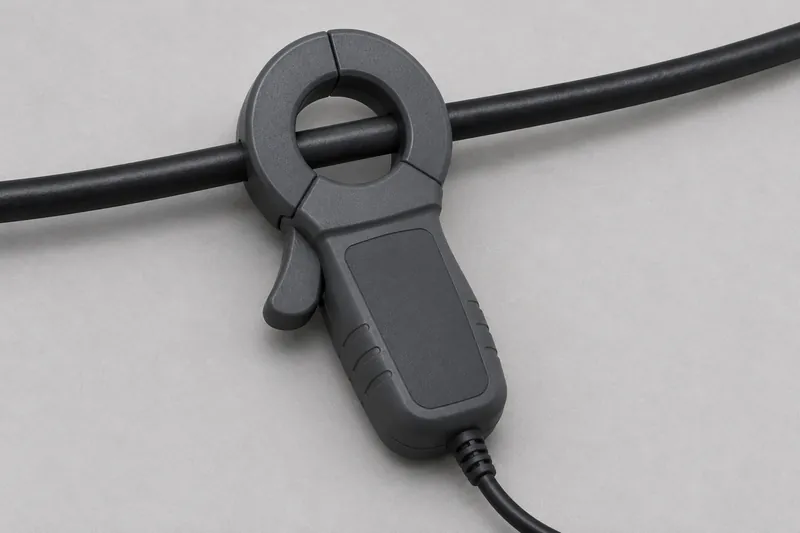
The first error is treating key-off as proof that every electrical load has stopped. Daimler Truck North America’s key-off guidance specifies a shutdown period and a particular load-disconnect-switch state where that switch is fitted. It also notes that door activity wakes system keepalives and requires another settling period before measurement.
The same document describes a temporary self-check wake-up on vehicles equipped with a SAM module. An increase in current can therefore be part of documented operation. The relevant questions are whether it matches that truck’s expected behavior and what happens afterward.
The installed equipment and its instructions determine the preparation, waiting conditions and acceptable current. Applying one sleep time or one milliamp limit to every commercial truck would ignore those differences. We discuss the parked configuration and the concern being reproduced before interpreting the result.
Begin with a stable supply
A depleted battery is another poor starting point. Pico’s clamp-test guidance calls for charging and checking battery health before assessing parasitic current, and requires a stable supply for the test. Battery condition and current consumption answer different questions. A draw reading by itself cannot establish how well a battery stores charge or supports starting.
Include every path from the battery bank
On a multi-battery installation, the most visible cable may carry only part of the vehicle’s current. Navistar’s parasitic-load procedure identifies the negative paths serving the starter, frame and electronic equipment, then arranges its measurement to include the complete vehicle load.
Daimler’s clamp-based instructions instead describe recording the positive feeds leaving the battery pack and combining their readings. These manufacturer examples use different arrangements to address the same requirement: account for the relevant paths. A single-cable reading needs context from the actual battery and cable layout.
That layout is established before a result is treated as the truck’s total parked demand. Connections added for accessories also need to be understood. Selecting a cable because it is easy to reach can miss the circuit responsible for the complaint.
Pulling fuses can wake the circuit being tested
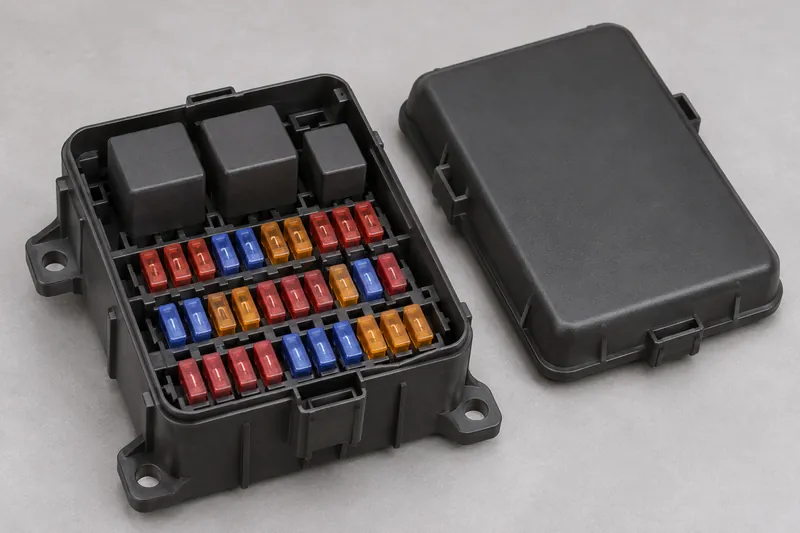
A current change during isolation is useful only if the test conditions are understood. Pico’s parasitic-drain guidance explains that removing and reinstalling a memory-supply fuse can wake a controller and its network. The resulting shutdown sequence may differ from the original parked condition.
This can make a newly raised reading look like the fault being sought, or make an apparent improvement difficult to interpret. Any circuit intervention needs to be related to the measurement and the vehicle’s return to its required state.
The same guidance describes checking voltage drop across installed fuses as a way to investigate circuit activity without removing them. Interpretation requires the correct fuse information because resistance varies with fuse design. There is no universal conversion or shortcut that identifies a defective component from every fuse reading.
Once testing establishes the affected circuit, we explain the connection, wiring or component work supported by the findings. A change caused by disturbing the circuit is not, on its own, a completed diagnosis.
When a truck battery drains overnight, timing matters
One quiet moment does not rule out an intermittent drain. Pico’s clamp-test guidance notes that some systems periodically wake for monitoring, potentially with long gaps between events. It also identifies systems that fail to return to sleep and incorrectly connected accessories among possible sources of excessive demand.
Duration and return to the expected resting condition matter alongside the size of a current change. For an intermittent complaint, the observation period and the conditions reproduced are part of the diagnostic scope. A brief inspection should not be presented as proof that an overnight problem has disappeared.
We discuss any further checks needed and the proposed repair before proceeding. After the identified fault is addressed, the relevant parked-state behavior needs reassessment. Charging performance or battery damage found during the investigation may require separate attention.
Call (347) 656-6273 about battery drain diagnosis at our South River shop. Describe how long the truck stands before starting becomes difficult, which equipment remains powered while parked, and any recent battery-switch or accessory wiring work. Mention earlier battery replacements and tests. Our location and contact details will help you arrange the visit.
Service terms
CLEAR ESTIMATES
Inspection findings, the proposed work and the estimate are discussed before repairs begin.
PARTS OPTIONS
We agree on suitable parts for the engine, the work and your budget.
FREE DIAGNOSTICS WITH REPAIR
Diagnostic work is free when you proceed with the repair.
WARRANTY FOR WORK
Our repairs carry a warranty. We explain the terms that apply to your job.