- Address:
26 Elizabeth St, South River, NJ 08882
- Email:
mail@truck-repair-nj.com
- Phone line:
+1 (347) 656-62-73
A brake that travels too far and one that stays in contact after release can both prompt a request for adjustment. They present different mechanical questions. Tightening a brake without understanding its travel and clearance can leave the original fault unresolved or create drag.
Our South River, NJ team at Truck Repair Shop examines wheel-brake condition, then explains the adjustment or repair supported by those findings. This page focuses on S-cam drum brakes with automatic slack adjusters. Our brake repair services also cover other brake-system concerns; the fitted design determines its service procedure.
Slack adjuster diagnosis: free travel versus applied travel
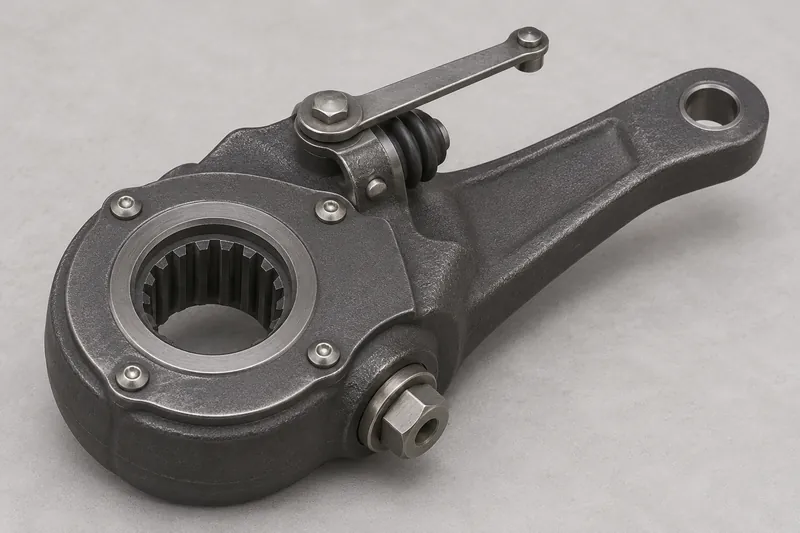
Free stroke describes the movement needed to bring the shoes into contact with the drum. Applied stroke is the chamber pushrod’s movement during a specified service-brake application. These measurements answer different questions and must be taken under the conditions required for the installed equipment.
Haldex’s AA1 troubleshooting guidance distinguishes two findings. When free stroke is within its specified range but applied stroke is excessive, attention turns to the foundation brake. Its checks include drum condition, cam-bushing movement, worn linkage and damaged supporting hardware. An acceptable clearance measurement does not clear the rest of the mechanism.
When both measurements are excessive, the same guidance includes foundation-brake faults and the adjuster in the investigation. Installation and adjuster operation need assessment alongside binding or worn connected parts. The long stroke identifies a problem to investigate; it does not, by itself, identify which component to replace.
Short travel with drag points the other way
A smaller measurement is not automatically a better result. Meritor warns that setting free stroke too short can make the linings drag and damage components. The aim is the specified working clearance, not the shortest possible movement.
For a brake that does not release properly, Meritor’s diagnostic material also considers incorrect adjuster selection, clevis geometry and a spring brake that fails to retract fully. Those are different faults from excessive lining clearance. A recent change of adjuster, chamber or linkage is therefore useful history when a dragging complaint follows earlier work.
Do not continue driving with a dragging or overheating brake. Arrange a safe stop and contact us about assistance and how to get the truck to service.
Uneven wear adds evidence the ruler cannot show
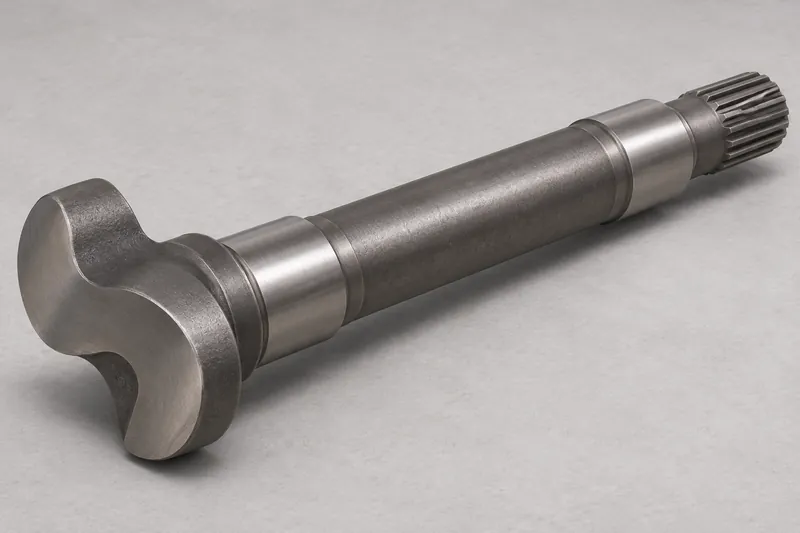
The contact surfaces help explain why a brake’s movement is abnormal. Cummins/Meritor maintenance guidance identifies flat spots, cracks and irregular S-cam wear as concerns that can disturb contact. A worn cam head cannot be restored by changing a clearance setting.
The supporting parts matter as well. Bushings and support brackets hold the shaft in position, while rollers and pins transfer motion to the shoes. Worn contact points can contribute to inconsistent application and uneven shoe wear. Inspection should relate the friction pattern to the condition of those parts instead of treating lining thickness as the entire assessment.
Return springs deserve attention when a brake remains in contact after release: corrosion and fatigue can impair their return function. The drum also needs assessment for wear and distortion under its own service limits. If friction replacement is indicated, our truck brake shoe replacement page explains that related service.
Semi truck brake adjustment after relining
Initial setup after relining or component installation serves a different purpose from repeatedly correcting excessive stroke on an automatic adjuster already in service. Meritor directs technicians to troubleshoot the underlying fault rather than use routine manual readjustment as the cure.
The identified brake and adjuster govern the setup and the checks after the affected parts are renewed. We explain whether the findings call for initial adjustment, replacement of worn brake components or further investigation of the release mechanism. The repaired assembly must apply and release correctly; achieving one stroke reading alone does not establish that.
For a truck brake inspection in New Jersey, call our South River shop on (347) 656-6273. Describe which wheel or axle is involved, whether the concern is excessive movement or failure to release, and what was last changed there. Bring any measured readings or inspection notes with the truck so we can relate the complaint to the parts being examined.
Service terms
CLEAR ESTIMATES
Inspection findings, the proposed work and the estimate are discussed before repairs begin.
PARTS OPTIONS
We agree on suitable parts for the engine, the work and your budget.
FREE DIAGNOSTICS WITH REPAIR
Diagnostic work is free when you proceed with the repair.
WARRANTY FOR WORK
Our repairs carry a warranty. We explain the terms that apply to your job.