- Address:
26 Elizabeth St, South River, NJ 08882
- Email:
mail@truck-repair-nj.com
- Phone line:
+1 (347) 656-62-73
A clicking solenoid, a spinning starter motor and an engine turning over describe different events. Naming a replacement part before establishing which event occurred can send a diesel no-start investigation down the wrong branch. The starting symptom needs to be identified clearly.
Truck Repair Shop provides no-start diagnosis in South River, NJ. We assess the starting behavior, relevant electrical and engine findings, then explain the work those findings support. Reach our team at (347) 656-6273 to discuss the vehicle’s starting behavior and arrange service.
Truck no-crank diagnosis after a click
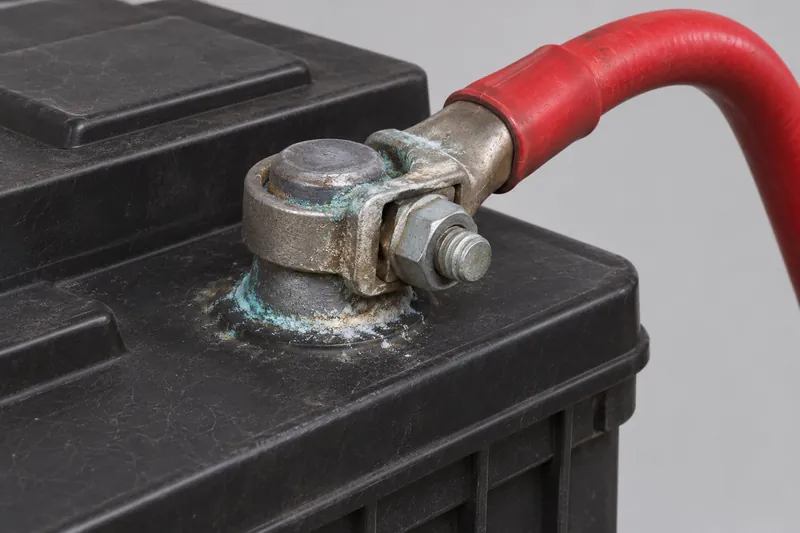
A click establishes that a switching action occurred. It does not demonstrate that the batteries, power cables and starter motor can complete the cranking task. Delco Remy treats click/no-crank, no-click/no-crank and slow cranking as distinct complaints, with battery and cable checks preceding component selection.
There is a useful connection between the power and control circuits. Delco Remy explains that voltage loss in the main cable can also affect the control feed where that feed is taken from the starter’s main positive connection. A click can therefore accompany a supply-path fault. Battery assessment, voltage-drop checks and the fitted control circuit need to be considered together.
Corrosion, damaged connections and the return path are assessed using the relevant vehicle specifications. A visible deposit helps identify an area to examine; it is not a measured diagnosis. Our truck electrical repair service covers circuit work supported by those findings.
A pause can come from built-in protection
Another mistake is treating every refusal to crank again as a newly failed starter. Delco Remy’s Smart IMS guidance describes built-in cranking limits, re-engagement delays and voltage-dependent protection. On an equipped starter, one of those features can prevent an immediate further attempt.
The fitted starter and its specified behavior must be identified. The assessment distinguishes protective operation from the battery or circuit condition that needs attention. The timing and voltage rules of one Smart IMS version should not be applied to every truck.
Starter rotation and engine rotation are different observations
A whirring motor can be reported as “cranks but will not start” even when the engine is not turning. DENSO’s troubleshooting material separates that condition from an engine that is actually being cranked. Starter-drive or engagement problems and damaged ring-gear teeth can account for a motor turning without turning the engine.
Confirming actual engine rotation keeps the investigation in the appropriate branch. The relevant drive and ring-gear condition need assessment when engagement is at issue. Hearing the motor alone is an incomplete reason to start replacing fuel-system parts.
When the truck cranks but will not start
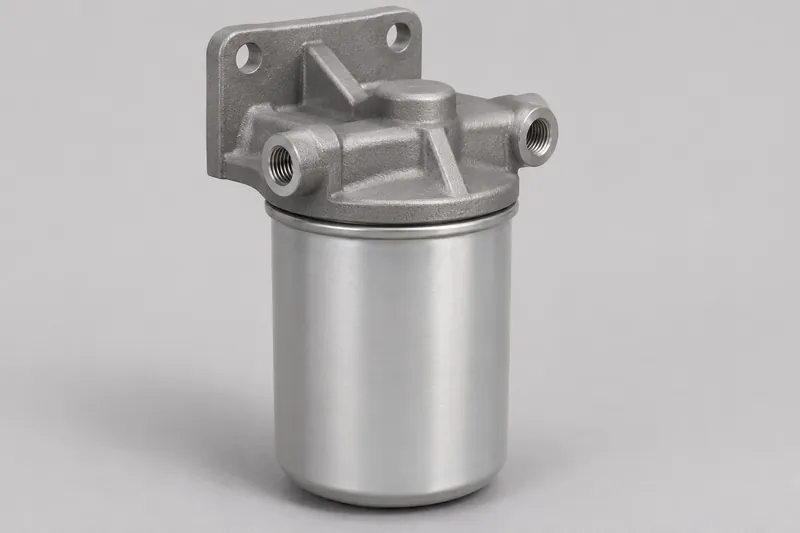
Once the engine is known to turn, assuming the problem must be the fuel pump is another shortcut. Detroit’s EPA07 Series 60 operator guide gives a bounded example: its cranks-but-will-not-start column includes fuel-supply faults, electronic-control problems and a blown or missing fuse. Those are different diagnostic paths.
The same guide identifies air in the fuel, loose fuel connections and obstructed filters or lines among possible supply faults. A tank containing diesel does not establish that the engine is receiving it as required. If the trouble began after running out of fuel or fuel-system work, that sequence belongs in the investigation.
Checks of the installed supply arrangement and applicable priming procedure help define the next step. Engine-control findings may require a different investigation. Our diesel fuel-system service explains related supply and injection work; a pump or injector repair must follow findings for the fitted engine.
Repeated attempts can create a second problem
Continuous cranking is not a repair for the first no-start condition. DENSO describes overheating and internal starter damage associated with prolonged cranking. Follow the duty and rest requirements for the engine and starter instead of extending attempts until the sound changes.
The first symptom and the present symptom can differ after repeated attempts. An engine that initially turned over may later crank slowly as the starting system’s condition changes. Report that sequence so the later cranking complaint does not conceal the original failure to run.
When booking with our South River team, describe the first response to the start request, whether engine rotation was observed, and how the behavior changed. Available warning information and recent work help us plan the assessment. We discuss the identified fault and proposed repair with you before proceeding.
Service terms
CLEAR ESTIMATES
Inspection findings, the proposed work and the estimate are discussed before repairs begin.
PARTS OPTIONS
We agree on suitable parts for the engine, the work and your budget.
FREE DIAGNOSTICS WITH REPAIR
Diagnostic work is free when you proceed with the repair.
WARRANTY FOR WORK
Our repairs carry a warranty. We explain the terms that apply to your job.