- Address:
26 Elizabeth St, South River, NJ 08882
- Email:
mail@truck-repair-nj.com
- Phone line:
+1 (347) 656-62-73
The fan keeps roaring after startup, although the air gauges look normal. Does that mean the clutch needs replacing? Work through the hypothetical example below: an on/off pneumatic drive with a spring-engaged, air-released design. The example shows how one finding changes the repair decision.
Truck Repair Shop assesses cooling fan drives and their controls in South River, NJ. For a fan that stays engaged, fails to engage or has developed mechanical noise, call (347) 656-6273. The installed drive determines the checks and the repair we discuss with you.
Truck fan clutch diagnosis starts with the release method
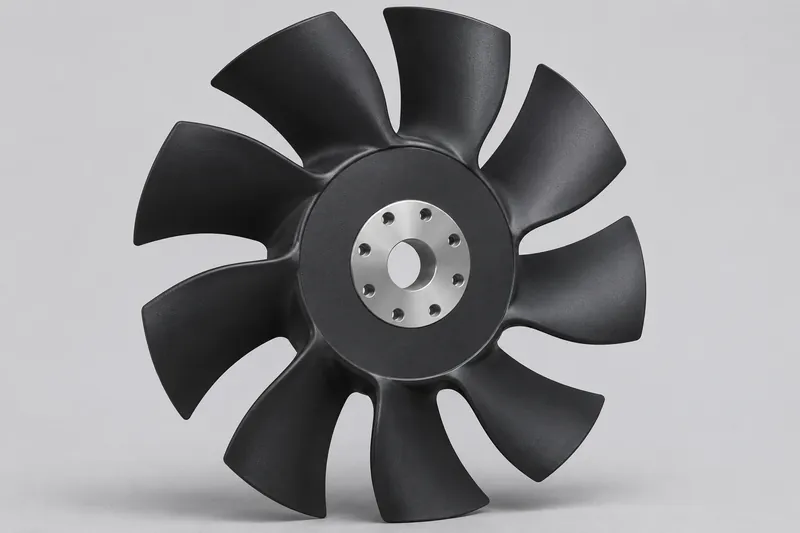
For this example, assume the fitted unit is a Kysor on/off rear-air drive. Its spring holds the clutch engaged; air pressure releases it. BorgWarner’s service guide explains that interruption of that air supply makes the fan run in its fail-safe state. The observed engagement is therefore compatible with a missing release supply.
The initial assessment also establishes whether the vehicle is requesting fan engagement. Cooling and other configured inputs can legitimately call for the fan. In this example, that check confirms the release state is requested, so the investigation follows the path between the control and the drive.
A normal dash gauge leaves one question open
The reservoir reading does not establish the pressure delivered at the fan drive. BorgWarner’s diagnostic guide specifies checking at the drive and using a known source of dry, filtered air for its tests. A restricted branch line can remain a problem even while the driver sees an apparently normal vehicle-air reading.
The control valve has to deliver the required pneumatic state as well as receive the correct electrical input. Horton’s control explanation describes the solenoid valve routing air between the vehicle supply, the drive and the exhaust path. If the electrical request is missing instead, the investigation follows the applicable circuit; our truck electrical repair service covers related wiring concerns.
The comparison that changes the proposed repair
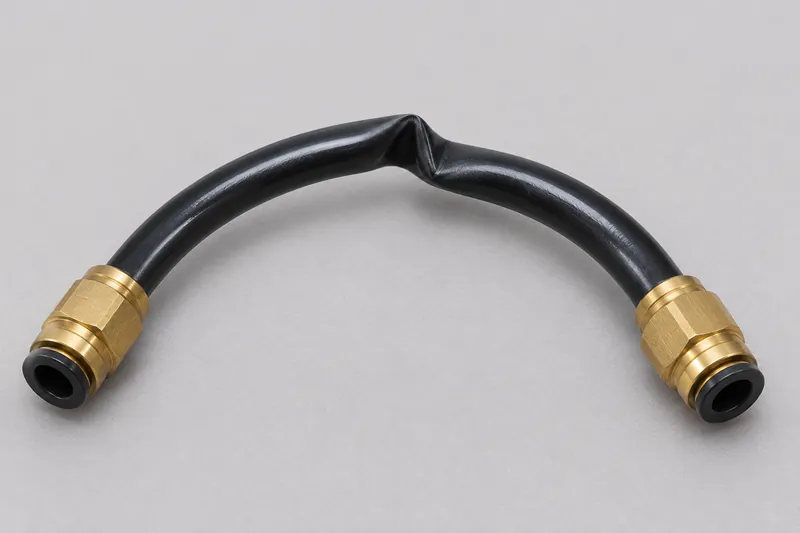
Now suppose the controlled-air check releases the clutch, while the vehicle’s installed circuit does not. Tracing that circuit reveals a sharply kinked supply line. Those are assumed findings in this example, and together they support correcting the delivery fault and checking the drive again through its normal controls.
The repair scope addresses the damaged line and the routing that created the restriction. Completion requires the drive to respond from the vehicle circuit, with the connections checked for leakage. The controlled-source result helped locate the fault; it did not repair the installed supply path.
What would change the answer?
If the clutch failed to release under the correct controlled test, the proposed line repair would not account for that result. Internal sticking or damage would require further assessment under the manufacturer’s procedure. A leak from the drive also needs its own location established.
Repairability depends on the identified unit. BorgWarner’s current rear-air guide lists repair parts for some versions and specifies replacement for others. Its repair policy and the damage found establish whether the assembly is serviceable or requires replacement.
Fan hub repair remains a separate finding
Return to the example after air delivery has been corrected. The clutch can now release, but that result does not establish the condition of the hub supporting the assembly. A mechanical noise, damaged mounting or bearing concern still needs an assessment.
Horton’s DM Advantage and DriveMaster inspection guide separates pulley-bearing checks from clutch-pack bearing checks. BorgWarner’s hub guidance also distinguishes bearing play, pulley condition and attaching hardware. On covered tapered-bearing hubs, some play is expected, so a universal “zero movement” rule would be misleading. The measurement and allowable condition must suit the hub.
If a hub defect is found, it is explained as additional mechanical work. The line restriction and a worn supporting component would be two findings to address. The estimate should identify the affected assembly so that replacing the clutch does not leave the hub concern unresolved.
Keep the example tied to the identified drive
The release logic above applies to the stated design. Horton’s HT650 uses air to engage and a spring to disengage, which reverses the interpretation of an air-supply problem. Identify the fitted unit before borrowing a test from another design.
Physical fan-drive inspection requires the engine stopped and the precautions specified for the truck and drive. The vehicle must be secured against unintended starting before the assembly is handled.
To arrange an assessment, contact our South River shop and describe how long the fan remains engaged after startup. We can then discuss the control-side and mechanical checks appropriate to your installation.
Service terms
CLEAR ESTIMATES
Inspection findings, the proposed work and the estimate are discussed before repairs begin.
PARTS OPTIONS
We agree on suitable parts for the engine, the work and your budget.
FREE DIAGNOSTICS WITH REPAIR
Diagnostic work is free when you proceed with the repair.
WARRANTY FOR WORK
Our repairs carry a warranty. We explain the terms that apply to your job.