- Address:
26 Elizabeth St, South River, NJ 08882
- Email:
mail@truck-repair-nj.com
- Phone line:
+1 (347) 656-62-73
Consider a hypothetical engine assessment: a truck needs more oil top-ups than it used to, but a relative-compression comparison looks even. The owner is deciding whether to investigate the engine further. The result has compared the cylinders; it has not yet explained the oil use.
Our South River, NJ workshop investigates engine-condition concerns and relates the findings to the work being considered. The example below explains why a cylinder comparison, a direct pressure measurement and a crankcase assessment can lead to different conclusions.
An even diesel compression comparison has limits
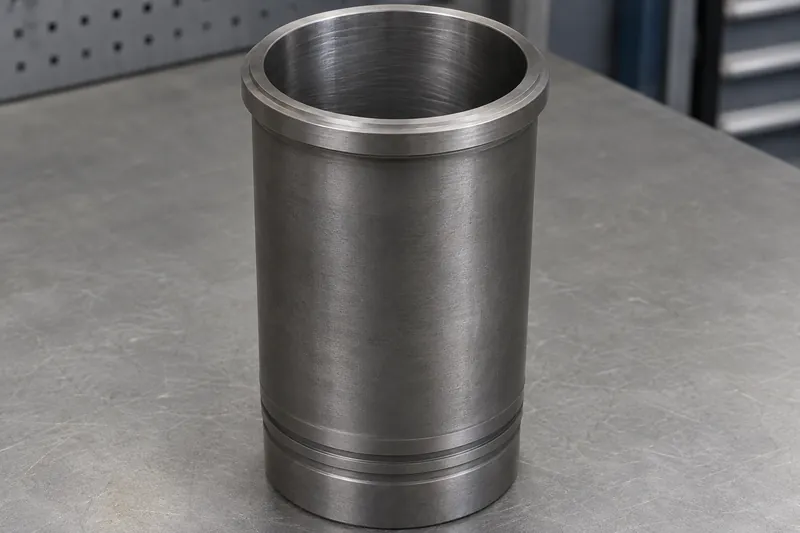
A relative test compares how the cylinders behave as the engine turns. One supported method examines changes in starter-motor current during cranking: compressing the charge changes the load on the starter. A repeating difference can identify a reason for more mechanical investigation.
Return to our hypothetical truck. Equal peaks can show consistency while leaving the actual cylinder pressure unmeasured. Similar results across the cylinders are therefore not the same finding as measured pressures meeting the engine's requirements. The oil-use complaint remains unresolved.
The test method also matters. A software comparison and a current waveform do not all provide the same information. We use the engine's applicable diagnostic instructions to decide what the result establishes and whether an in-cylinder measurement is needed.
A pressure result needs its test context
A direct compression check evaluates the pressure developed in the cylinder under defined conditions. Access, the adapter arrangement, cranking performance and the specified test conditions affect how the result should be assessed. A pressure value copied from a different engine is not a useful acceptance limit.
For the truck in this example, a report should distinguish a comparative result from a measured pressure and identify the units and applicable specification. If a pressure measurement is low, further checks may be needed to locate losses involving valve operation or sealing and the piston-and-cylinder assembly. The low result alone does not name a damaged part.
Blow-by testing adds a second view
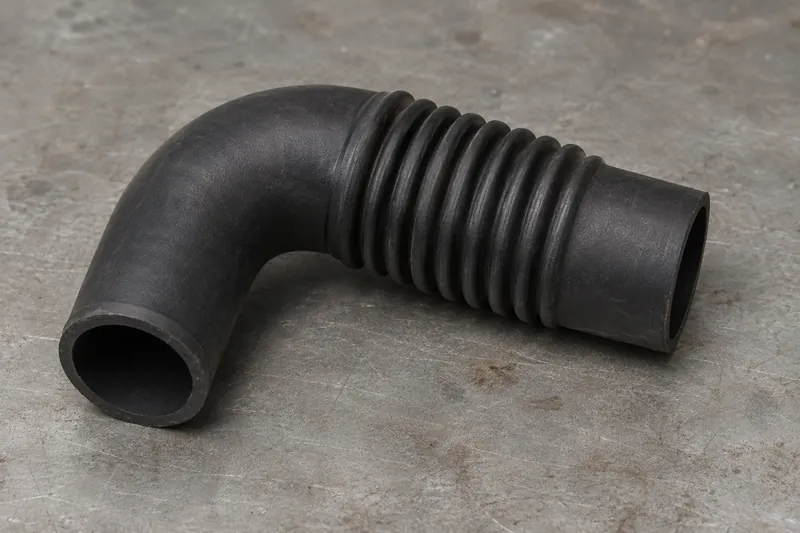
Now suppose a crankcase check also indicates excessive pressure. That is not a contradiction of the even cylinder comparison. Combustion gases can pass the piston-ring area into the crankcase, while the ventilation arrangement must manage crankcase gases and oil mist. Both gas entering and resistance to gas leaving matter to the investigation.
A restriction, damaged hose or problem with a fitted separator or pressure-control device can change the crankcase result. The layout must be assessed before a high pressure reading is attributed entirely to cylinder wear. Parker Racor's technical material illustrates how filter and regulator arrangement can influence crankcase pressure; it does not establish a pressure limit for every truck.
Where the engine procedure calls for a blow-by measurement, its prescribed setup and operating conditions belong with the result. Pressure and gas-flow figures use different units and cannot be swapped. A reading taken under one condition should not be judged against a limit specified for another.
Follow the mismatch before opening the engine
In this example, an even relative comparison combined with high crankcase pressure leaves several possibilities. If a ventilation defect is established, that defect needs attention and the specified reassessment. If ventilation is functioning correctly and cylinder testing also identifies a sealing concern, the evidence may justify a closer mechanical inspection.
Agreement between two abnormal findings can strengthen a concern, but the affected assembly and access required still need to be established. It is the combined evidence that defines the next inspection, rather than the most alarming-looking observation.
If oil use remains unexplained
Suppose the relevant cylinder and crankcase checks instead meet the engine's requirements, yet the oil top-ups continue. The investigation should return to where the oil is going. A satisfactory result from these tests does not clear every possible oil-loss route.
The fitted breather's oil-separation function and the turbocharger's oil path can remain relevant. Detroit's published DD-platform guidance for oil at the compressor housing considers crankcase pressure and an obstructed turbo oil drain among several possible causes. Oil there is not automatically proof that the turbo itself has failed. Our diesel turbo repair service covers that related concern.
Turn the report into a useful decision
Keep an oil-use record with the amount added, distance or engine hours and the checking conditions. Bring any previous test report, including the engine identity, method, units and conditions recorded. These details let the discussion connect the findings with the original complaint and identify what remains to be established.
For a compression or crankcase assessment, contact Truck Repair Shop on (347) 656-6273. We can discuss the engine concern, review the available information and plan the appropriate investigation at our South River shop. The aim is a repair decision supported by relevant measurements.
Service terms
CLEAR ESTIMATES
Inspection findings, the proposed work and the estimate are discussed before repairs begin.
PARTS OPTIONS
We agree on suitable parts for the engine, the work and your budget.
FREE DIAGNOSTICS WITH REPAIR
Diagnostic work is free when you proceed with the repair.
WARRANTY FOR WORK
Our repairs carry a warranty. We explain the terms that apply to your job.